Sunday, March 2, 2014

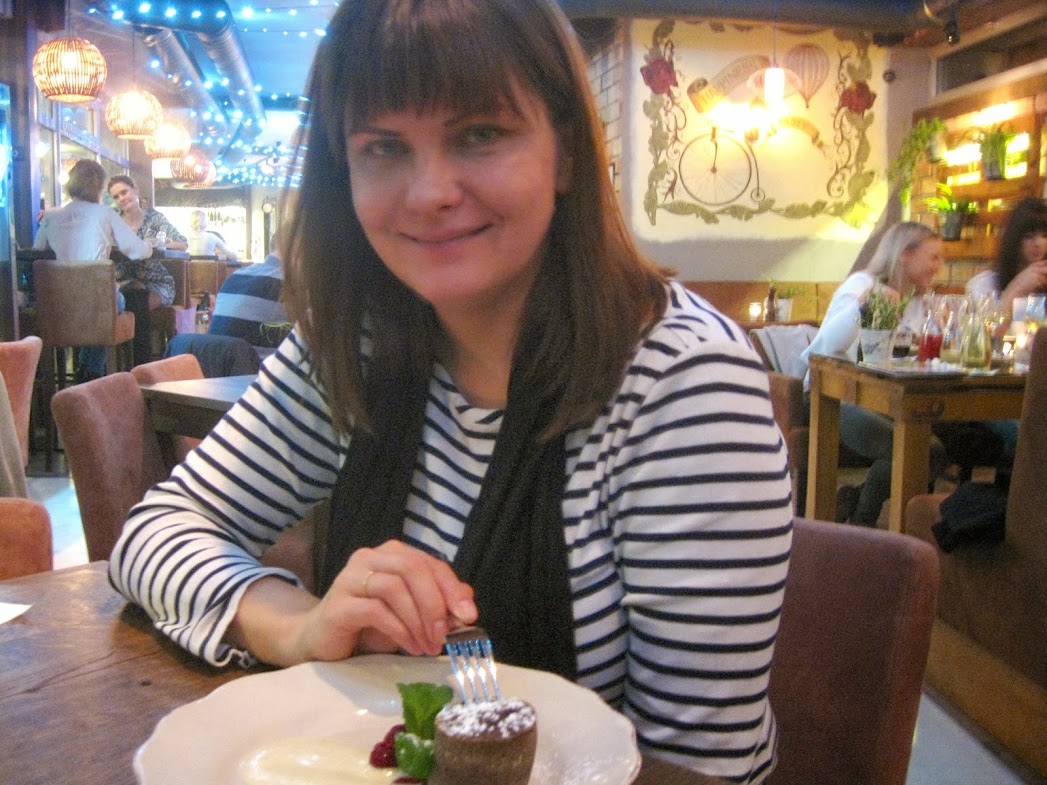
Trying out a new restaurant for Terezia's birthday

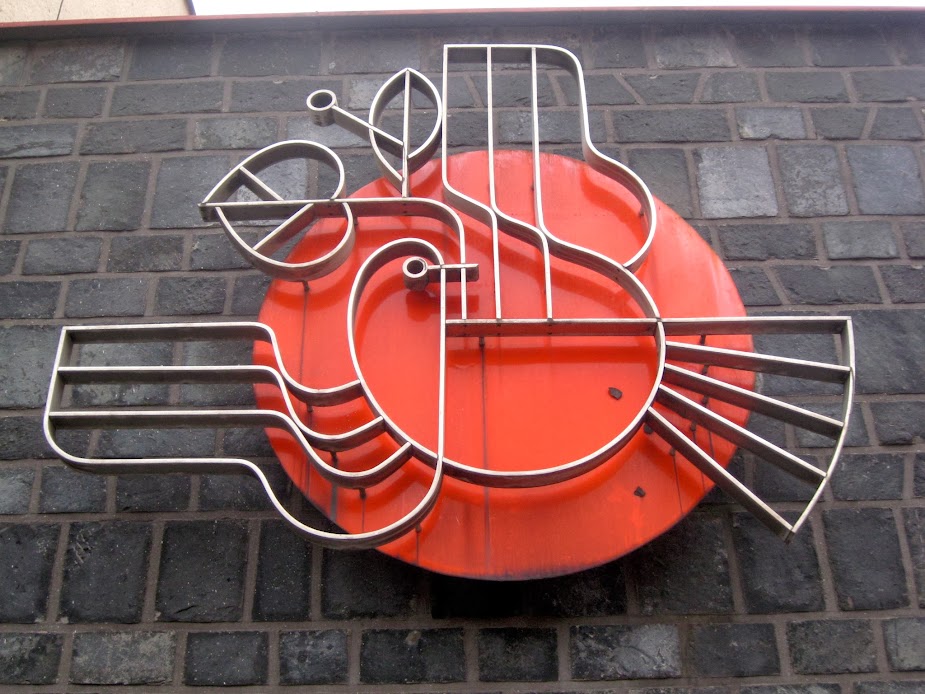
In a city that's not exactly spilling over with good dining options, we try to keep an eye out for anything new that looks promising. We decided to use Terezia's birthday this week as an excuse to check out a place that opened up just last year called Savage Garden. Located in a new building directly on the almost comically neglected and uber-communist Namestie Slobody (Freedom Square), its giant windows look out on the commie-era stainless steel flower fountain, the square's centerpiece.

Savage Garden has a refreshingly international bent. The menu - which had me at a lamb shank entree - was devoid of the usual Slovak slop, containing bistro-ish French and Italian fare that would make this place feel right at home in San Francisco or Berkeley.

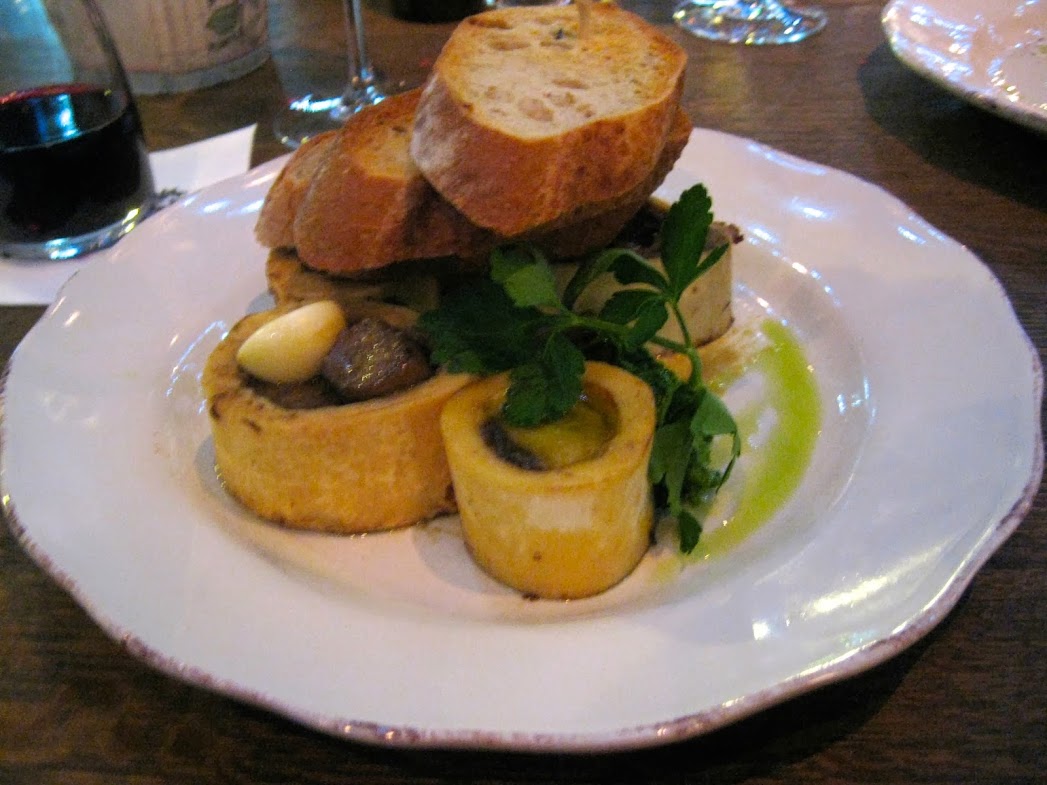
For the starter I ordered the roasted marrow bones with parsley pesto and bruschetta. First bite was under-seasoned, but we quickly remedied that with the salt shaker that had been kindly left on the table. The sinfully fatty bone marrow was silky, rich... and when placed on the toast that we'd rubbed with a raw garlic clove, and eaten with a dab of the parsley pesto, it was delicious. (I could've used a little spoon, though, to make it easier to dig all the marrow out).


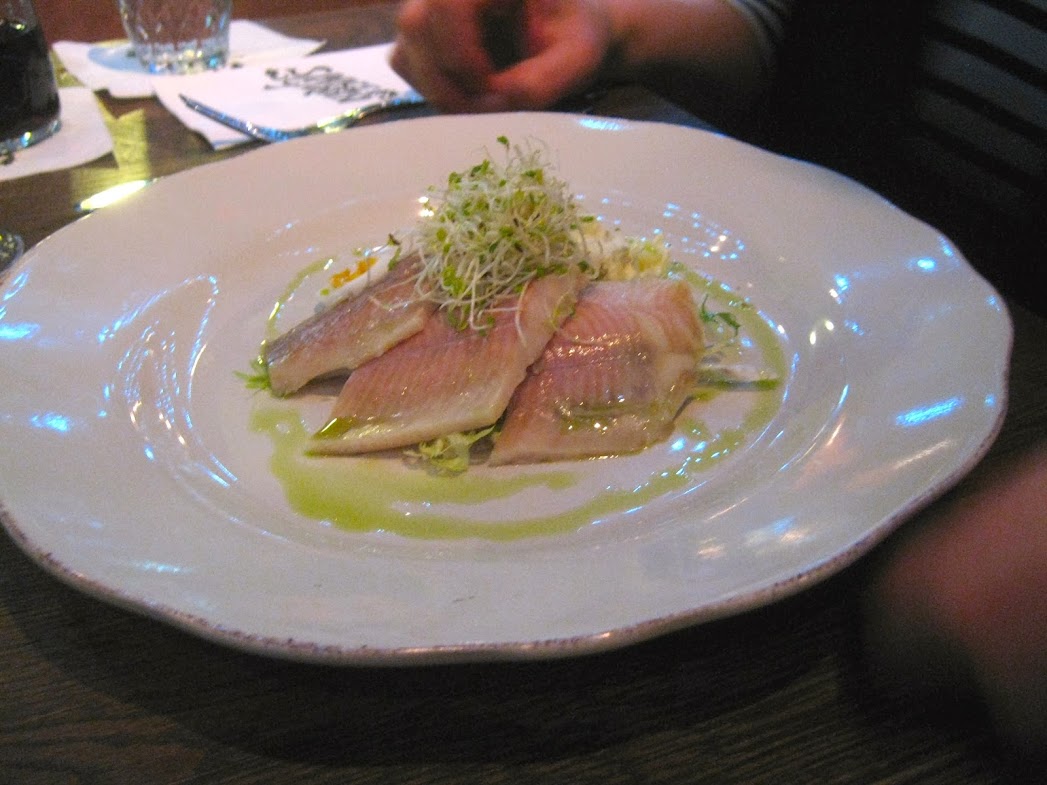
Terezia's smoked trout with soft potato salad and quail egg was quite nice: very light, fresh, clean flavors. Not life-altering, but really tasty.


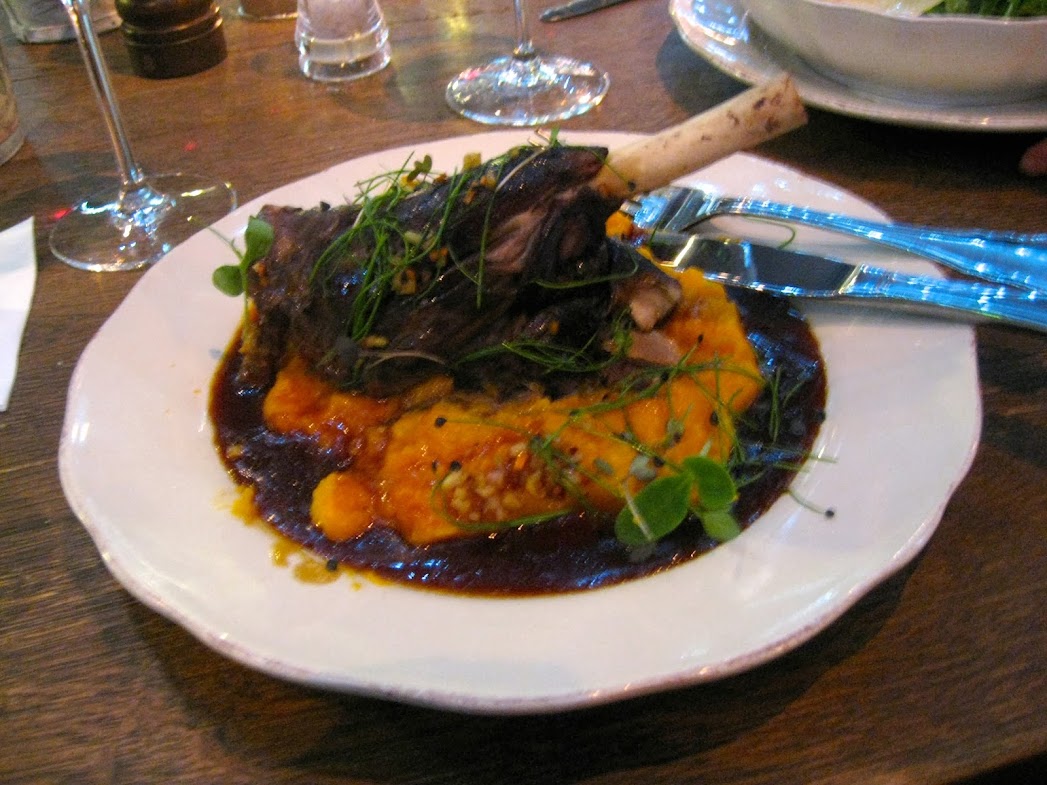
The lamb shank was fall-off-the-bone tender, and it had that wonderful, rich, lamb-y flavor, especially those bits that were closest to the bone. It came sitting atop a mountain of pumpkin puree, encircled by a moat of some kind of lamb demi-glaze. The whole dish was fairly simple, a bit rustic. However, like the bone marrow, it arrived under-seasoned, but after a few shakes of salt to make the flavors pop, we were in business. The thing is, I feel like a truly amazing chef should know how to perfectly season his dishes. Some chefs are chronic under-seasoners, but maybe this is just a kink that the kitchen will work out eventually.

I started digging in before remembering to snap a photo, so I had to kind of reassemble it after taking a couple bites - hence it doesn't look quite as nice in this photo as when it was brought to the table!


The gnocchi with wild mushroom sauce that Terezia ordered had the rich, earthy flavor one would expect from such a dish. The gnocchi were super light and airy, and the overall flavor, while not as explosively powerful as a mind-blowing porcini pasta dish that we had at Liviano last summer, was still quite nice. A few of the mushrooms were a bit mushy, though, meaning that they could have been frozen. Still a very enjoyable dish, nevertheless.

Terezia started in on her gnocchi before I snapped this photo as well, so again, it was prettier when it first arrived.


The lava cake oozed its pleasantly rich, warm and velvety chocolate goo, but Terezia and I agreed - the one she makes is a little better. And the "poached sour cherries" that accompanied it really just could've been maraschino cherries from a jar.


The wine: one glass of Slovak red that was a bit bland, and an Italian red that had a cab-like flavor and dryness. Neither were anything worth writing home about.

As Terezia remarked, the chef clearly has some international experience - this isn't food that Slovaks who haven't left the farm are typically inclined toward making. Bratislava really needs more dining options like this.

The vibe here was very casual, laid back. Service was friendly, but definitely a bit on the slow side. We waited a bit longer than usual to get menus, wine, etc. The patrons, most of whom appeared to be the sort of people in their 20s and 30s who buy Apple products, spoke a mixture of Slovak and English.

And the prices were thoroughly reasonable: the whole bill came to about 50 euros before the tip - about half of what a similar dinner at Liviano would cost. Savage Garden perhaps lacks Liviano's immaculate attention to detail and refinement, but it's a nice (and cheaper) alternative, and we'd certainly go back.

Wednesday, February 5, 2014

Sorry for neglecting the blog - we're still here!

I realize my posts have become rather sporadic over the last few months, but I just wanted to let people know that we're still here. I suppose we haven't encountered many things worth writing about recently, but I do have a few ideas for future posts that I'm kicking around in my head, which I hope will see the light of day soon.

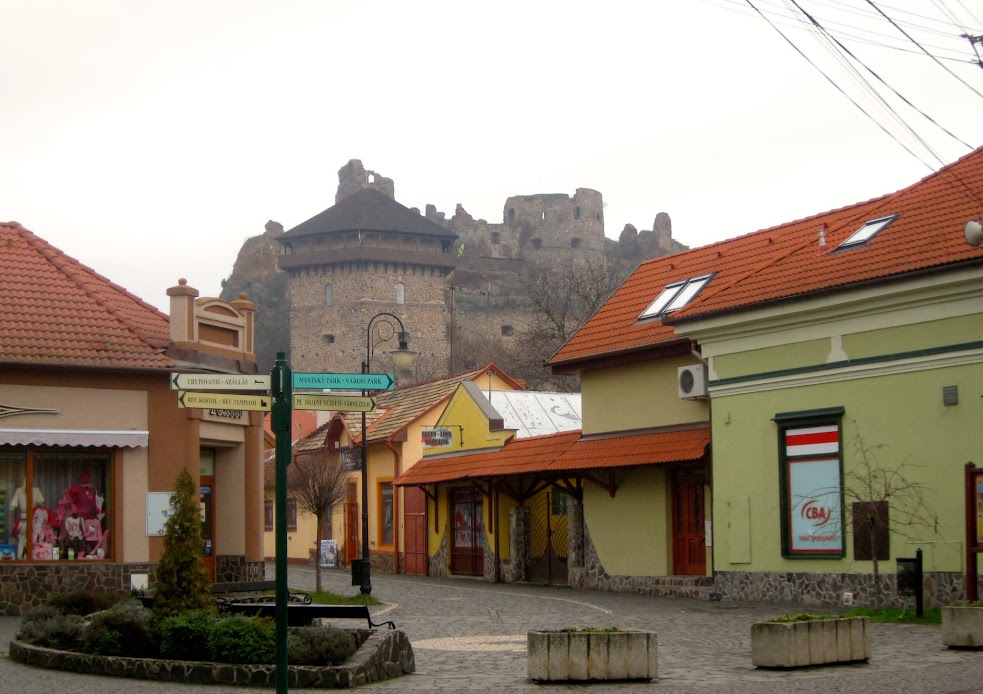
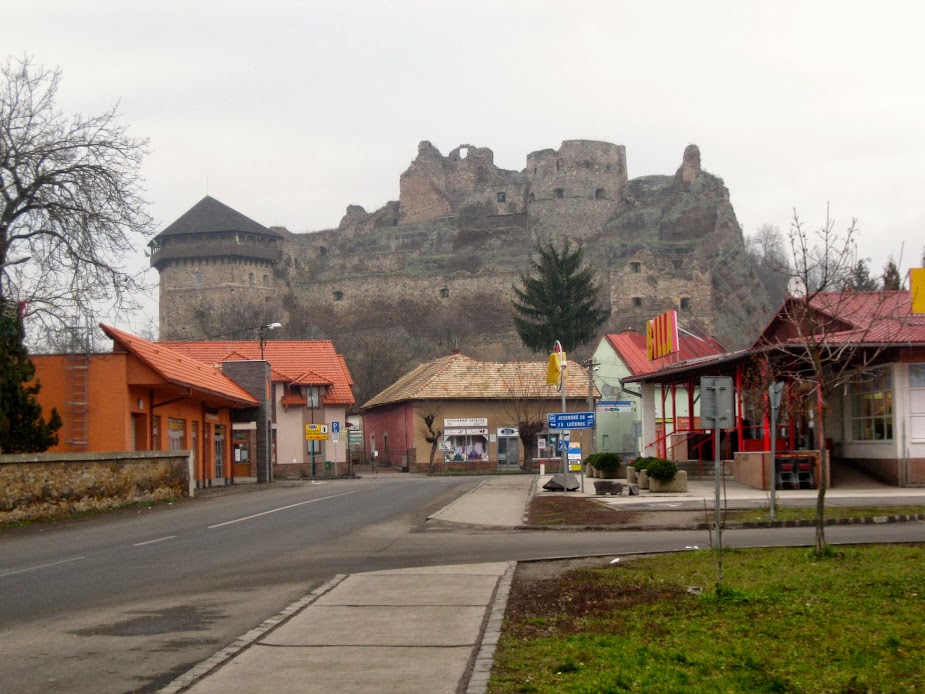
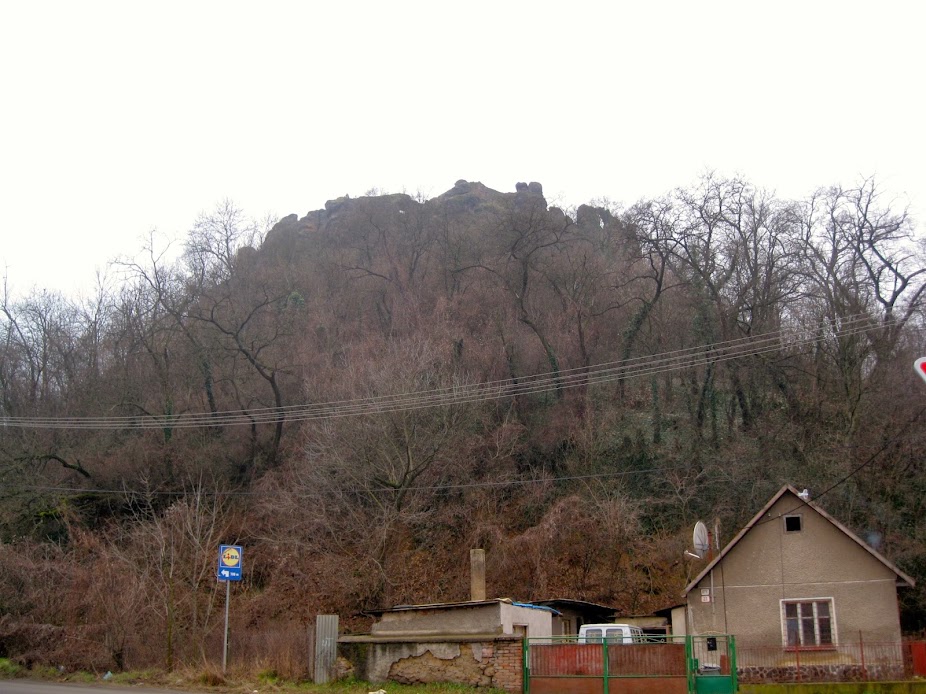
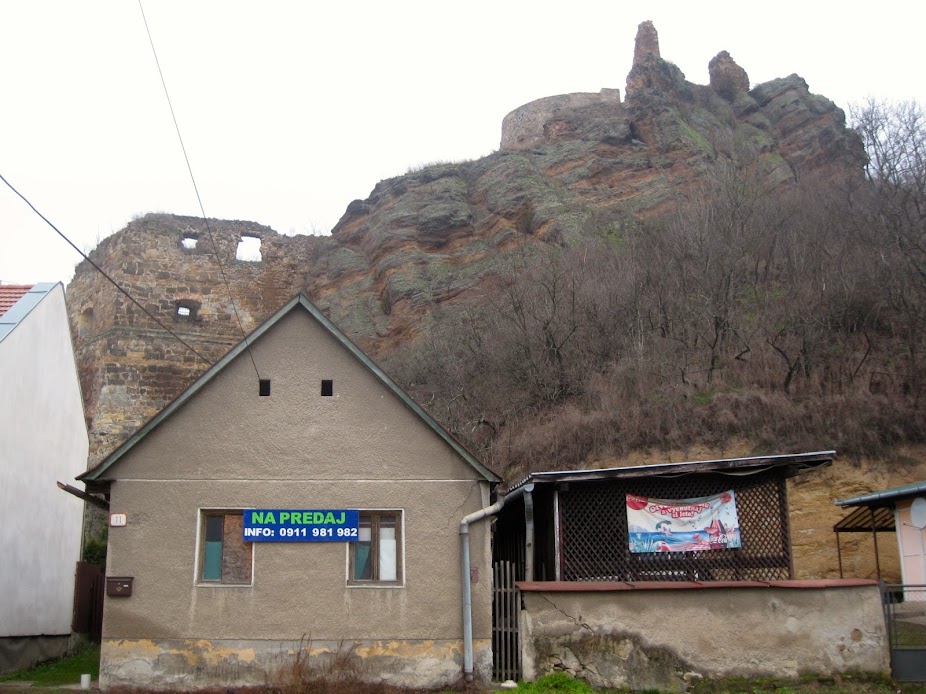
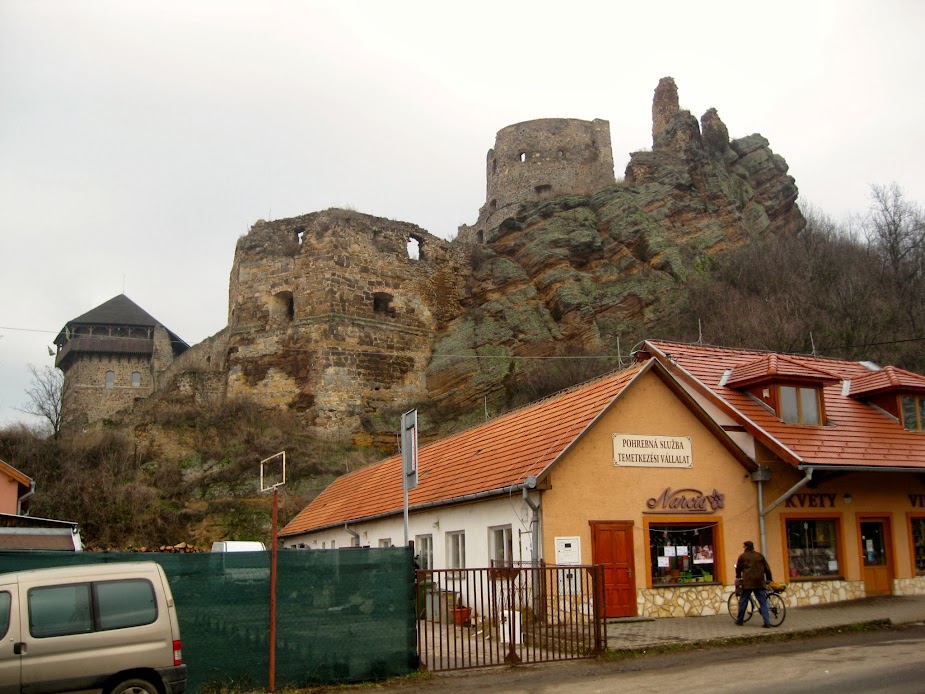
In the meantime, I'll leave you with some photos taken in mid-January of Fiľakovo, a small town and medieval castle not far from Lučenec and where Terezia's parents live in the south-central part of the country, close to the Hungarian border. The castle was, in typical Slovak fashion, closed when we went. It's actually closed from late November to late March, so we didn't get the chance to go in and walk around and check out what must undoubtedly be a sweet view. 

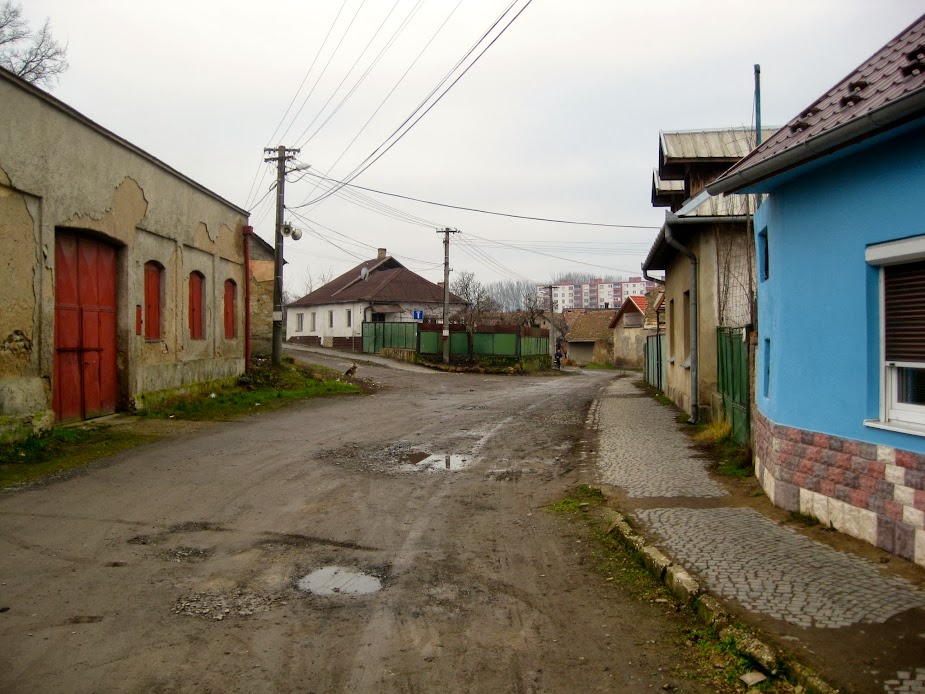
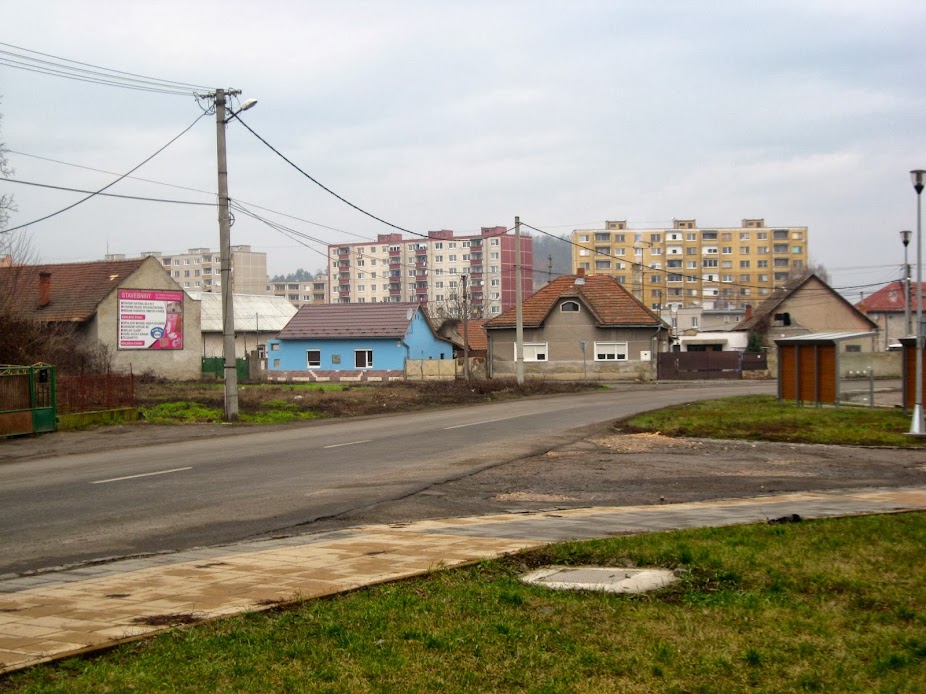
It's a bit of a run-down looking town, although the dreary, grey, soggy skies did nothing to help the town's overall appearance. I suspect there's a fair amount of unemployment here. Part of its small historical center is in pretty good shape, while a sizable portion of it consists of these beautiful but very dilapidated old houses that appear to be inhabited primarily by the town's Roma population. 


The street that leads to the entrance is a nice, old cobblestone lane lined with 1-2 story historical buildings that were perhaps restored a bit overzealously. If you continue down this road, however, just past the entrance, it suddenly becomes a muddy dirt road, and you start seeing once-lovely historical houses, many of which now have broken windows, large cracks in the walls, and blue tarps slung over the roofs. Threadbare dogs roam freely in the streets; gaggles of kids run around screaming in the distance.


Stark Soviet-era panelaks encircle the historical center, and these seem to be where most of the town's inhabitants live.


The castle itself dates from the 1200s, although the Ottomans burned it down in the late 1600s, so what we see today is apparently a reconstruction (at least the wooden parts). 

Walking around the rear of the castle offers views of the beautiful and massive outcropping that the castle was built on, which features some stunningly gorgeous rock layers. 

You get some pretty attractive views of the castle from virtually every street in the center of town. Maybe we'll go back someday during the 8 months of the year that it's open and go inside. 


Tuesday, January 14, 2014

A trip back home over the holidays

Going "back home" for a vacation can feel a bit different, initially; or at least it did for us on our three-week trip back to the States for the holidays. You're not darting around sightseeing and exploring new things; instead, you're reconnecting with dearly missed family and friends, as well as with things and places (and, quite importantly, foods) that you desperately missed while away. It had been 2 years and 3 months since we'd last set foot on American soil, and that was more than enough time to start missing - no, yearning - for the place that both of us called home for eons. 

Rather than go into tedious, mind-numbing detail about every moment of the trip, I thought I'd select a few vignettes that stood out and made us appreciate the Bay Area all the more.


10:00 am, Wednesday, December 18 - the Hayward, CA DMV

The first order of business upon arriving was to go to that special plane of Boschian hell known as Hayward's California Department of Motor Vehicles so that Terezia could renew her CA driver's license, which had expired while we were in Slovakia. Even though Terezia had the foresight to make an appointment in advance so as to avoid the notoriously endurance-defying line, we couldn't avoid the red tape entirely and had to sit in the waiting area for 10-ish minutes, where we both found ourselves overjoyed (a feeling seldom experienced at any DMV) at the sheer volume of cultural and ethnic diversity that surrounded us. We were just about the only white people in the entire place, which felt refreshing after so much time spent in culturally homogenous Slovakia, where you can go for weeks without seeing anyone who's not pasty, white, and Slovak.


Thursday, December 19 - Kimchi burritos at HRD, San Francisco

We had a slew of favorite restaurants - mostly different ethnic eateries - that we were determined to eat at on this trip, but when meeting my brother for lunch in the city one day, he introduced us to a new place that pleasantly surprised our palettes: the ambiguously named HRD. It looked quite like the old-school greasy-spoon coffee shop that likely occupied this spot before HRD moved in, complete with yellowish formica countertops and old stools. But the food, particularly the kimchi burritos we tried, stuffed with kimchi, rice, and rich, juicy Korean bbq, topped with a hot sauce that offered a sharp kick to the tastebuds, was an awesome thing to behold. Each and every bite was an explosion of flavor. Bratislava could really use a place like this.


Friday, December 20 - Sakamoto Hill (one of several trips)

While hiking up Sakamoto Hill or on any of the other picturesque trails at Lake Chabot (near where I grew up in Castro Valley), we immediately noticed some rather odd behavior from the locals: just about everyone walking, jogging, or mountain bike riding in the opposite direction smiled and said "hello" to us. What could compel these people to act so friendly to complete strangers? No one would dare behave like this in Bratislava.


Multiple other restaurants scattered throughout the trip

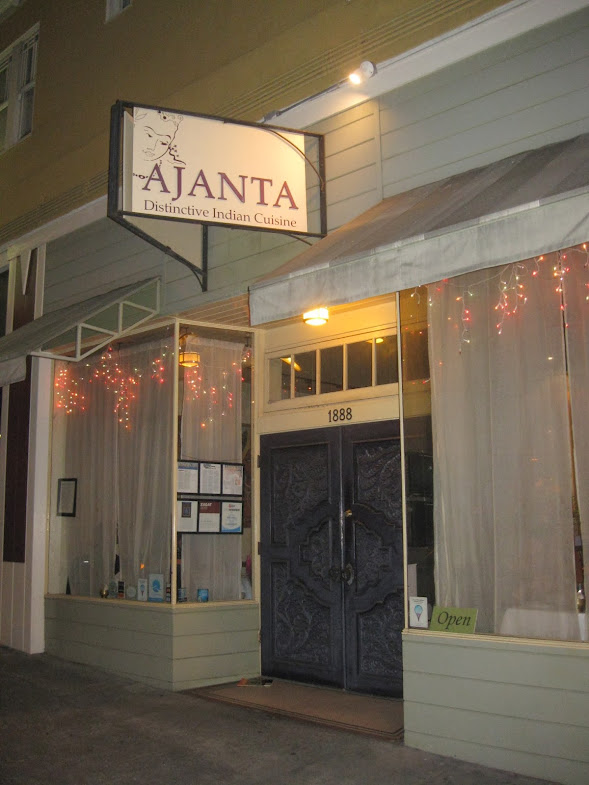
We hit up several of our favorite old haunts (and a few new ones): Banana Blossom, our old neighborhood Thai joint, has a menu that can be hit and miss, but their sublimely rich and complex massaman curry chicken, as well as their spicy crab noodles, were still as orgasmically flavorful as ever. Ajanta's Indian curries, with the tenderest, juiciest chicken and lamb you can imagine, still resulted in the overwhelming urge to roll around on the floor in a curry-induced stupor. Angeline's Creole style jambalaya was like getting punched in the face with rich, bold southern flavors. Umami Burger's rare, life-alteringly juicy truffle burger - easily one of the best burgers you can find in the Bay Area - did not disappoint. Feasting on Zachary's deep dish stuffed pesto pizza felt like reconnecting with an old friend. Kirala's super fresh sushi went down like butter, and most importantly, their unagi nigiri, the thing by which I judge a sushi place, was served warm, like it's supposed to be! (Frustratingly, every sushi place in Bratislava that we've been to serves their unagi stone cold, which should be considered a crime against humanity.)


Monday, December 23 - Telegraph Ave, Berkeley (one of numerous trips)

After spending some much yearned-for time perusing the racks of LPs and CDs at Amoeba records and the unique, stylishly offbeat vintage clothes at Mars and Buffalo Exchange, we met with a friend of mine at Cafe Mediterranean at a table near the window, which was the perfect place to perch and people watch with a strong caffe latte. At any given minute, you'd see semi-homeless crusty punks, aloof university students, dreadlocked hippies, immaculately dressed yuppie-hipsters, interracial and gay/lesbian couples, pretentious wool-jacketed English Lit majors, and just about any ethnic minority you could think of, all walking up or down the same sidewalk, which made us feel completely at home. I'll concede that in general Telegraph Ave isn't quite what it used to be, but it still retains a certain unique character.


Amoeba music, I missed you so much!


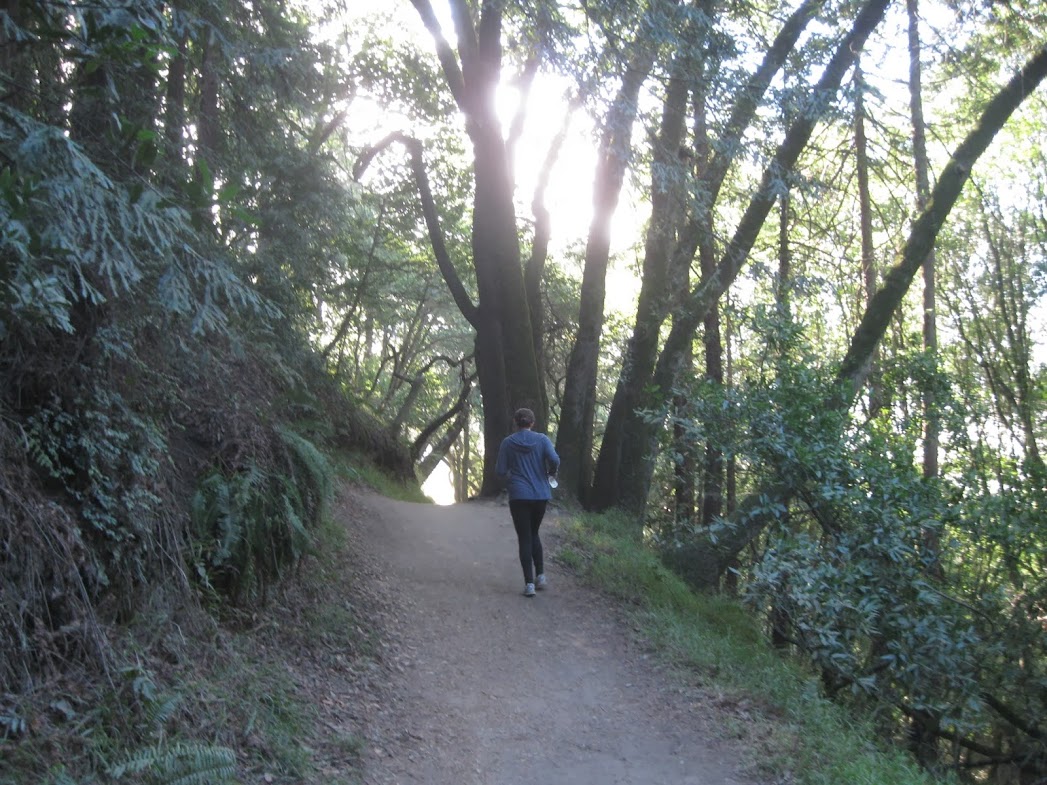
Monday, December 30 - Joaquin Miller Park, Oakland hills (multiple hikes) 

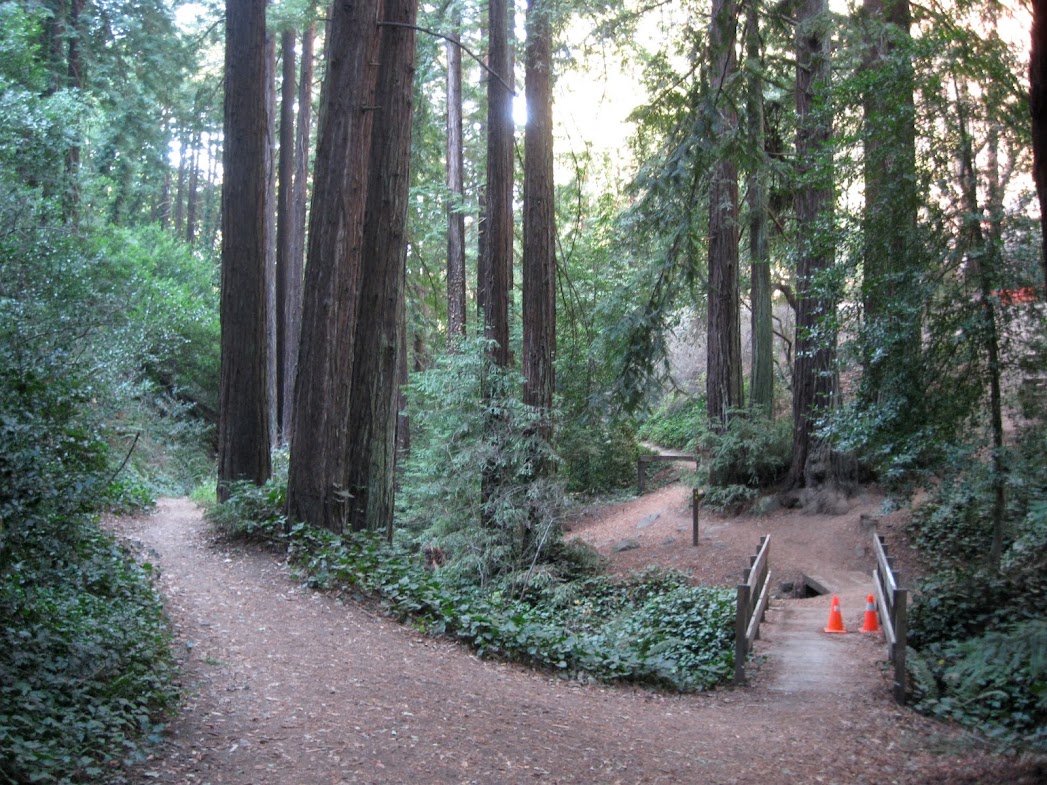
The dense grove of redwood trees that inhabit one of our favorite East Bay hiking places are third growth (the first having been logged in the mid-1800s to make San Francisco, the second decimated to re-build SF after it was destroyed in the 1906 earthquake), but it's nevertheless an insanely beautiful park, with a web of lush, winding, shady hiking trails that snake through gorgeously picturesque scenery with the occasional surprise panoramic view of the Bay. We missed not only those stately and grand redwood trees while away, but also the sheer variety of other trees and foliage: gnarled old oaks, twisty and lush bay trees, prehistoric looking ferns, ivy-draped slopes, and the myriad dense, brambly shrubs fill up the landscape. Bratislava's Horsky Park and Koliba are nice, but as city parks go, Joanquin Miller is hard to beat.

Even in winter this place stays green.


Berkeley Bowl - multiple trips

Aside from Berkeley Bowl's rich variety of exotic (and more pedestrian) fruits and veggies that a Bratislavan would have to travel to Naschmarkt in Vienna to find, what we really appreciated this time was, once again (sorry to hit people over the head with this), the kaleidoscopic diversity of the people there. Like Telegraph Ave, Berkeley Bowl would be a great place for people watching. On any given day you have all manner of freaks and weirdos - you know, individuals - imaginable. Along with the usual cast of smug yet slightly flighty Berkeley liberals, you had mung-haired hippies, lesbian mothers, sikh couples, goths, bespectacled vegan indie kids, political activists passionately collecting signatures out front for universal health care, etc. Yes, you could argue that on some level many of these are just archetypes and stereotypes in and of themselves, and that what matters most are things like personality and intellect. But the fact that in Berkeley you have such a colorful array of socio-cultural diversity, and that you have people who refuse to conform to bland, socially acceptable, cookie-cutter cultural norms and who value a sense of individualism, was, again, refreshing, and made us feel at home.


Half Moon Bay/Moss Beach - final weekend

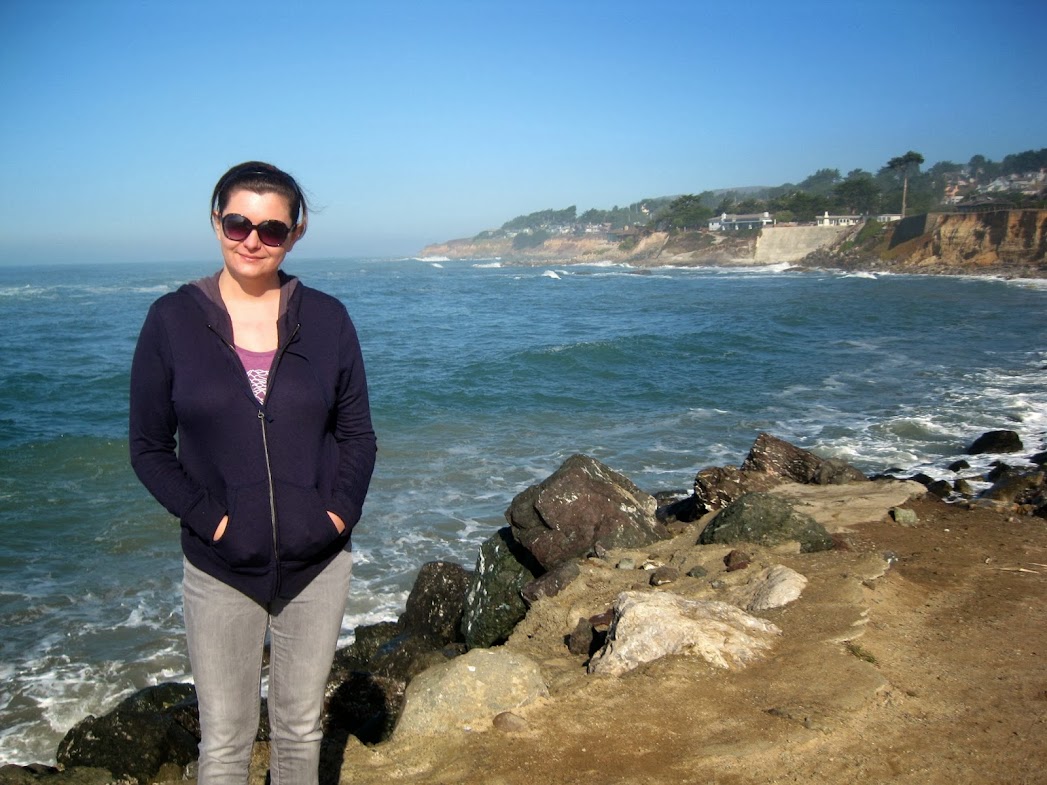
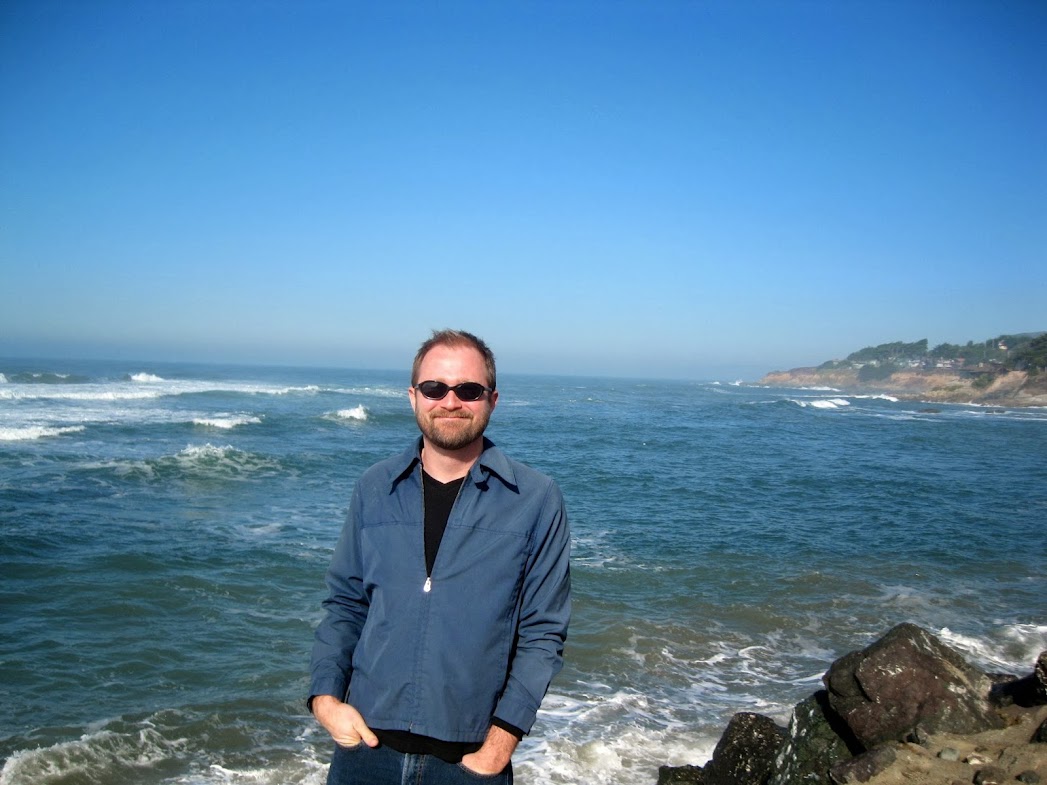
For Terezia, a trip to the ocean was obligatory. Living in landlocked Slovakia caused her to miss it dearly, and my joking about "c'mon, in Bratislava you've got the Danube!" only elicited eye rolling. While standing at the edge of the Pacific, watching the unusually high tide glide over the rocks and the tide pools, Terezia said, "if we have a child, I want to raise it here, close to the ocean."


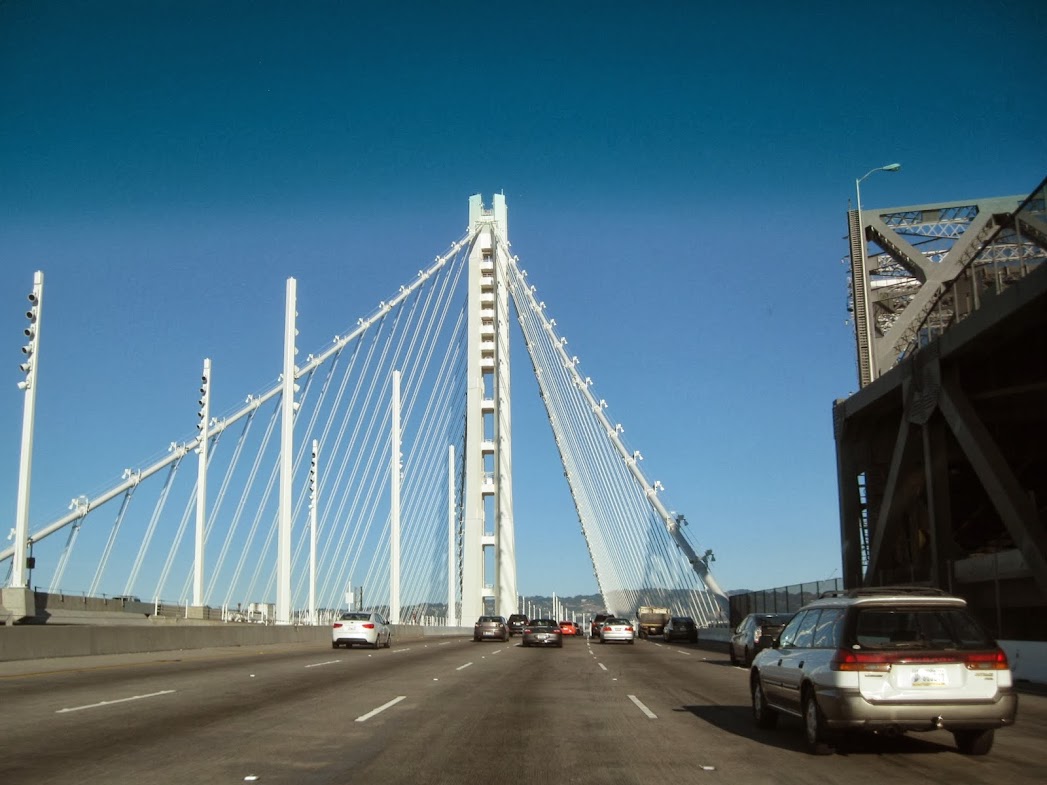
The new eastern span of the Bay Bridge (driven over several times)

This finally opened a few months prior to our trip, and driving across it felt almost distractingly satisfying. So, it took them a whopping 24 years to replace the old span after it was damaged in the '89 earthquake and deemed structurally unsound. I'm often critical of new architecture, but they really did a commendable job with this - and it's especially fetching when lit up at night. It's surreal to see the old bridge (which they are slowly dismantling) still standing right alongside it.


What the hell happened to California's winter?

The only thing missing from the Bay during our visit were any signs of winter. In fact, 2013 was a record dry year, and while just about everywhere else in the US was caught in the "polar vortex", this December was the driest and warmest on record in CA. The weather hovered around 70 (21 Celsius) (!) in the day, and dipped down into the upper 40s (8-9 Celsius) on only the coolest nights. It was like having Xmas in SoCal, which is a strange thing to experience if you're used to things like seasonal change.

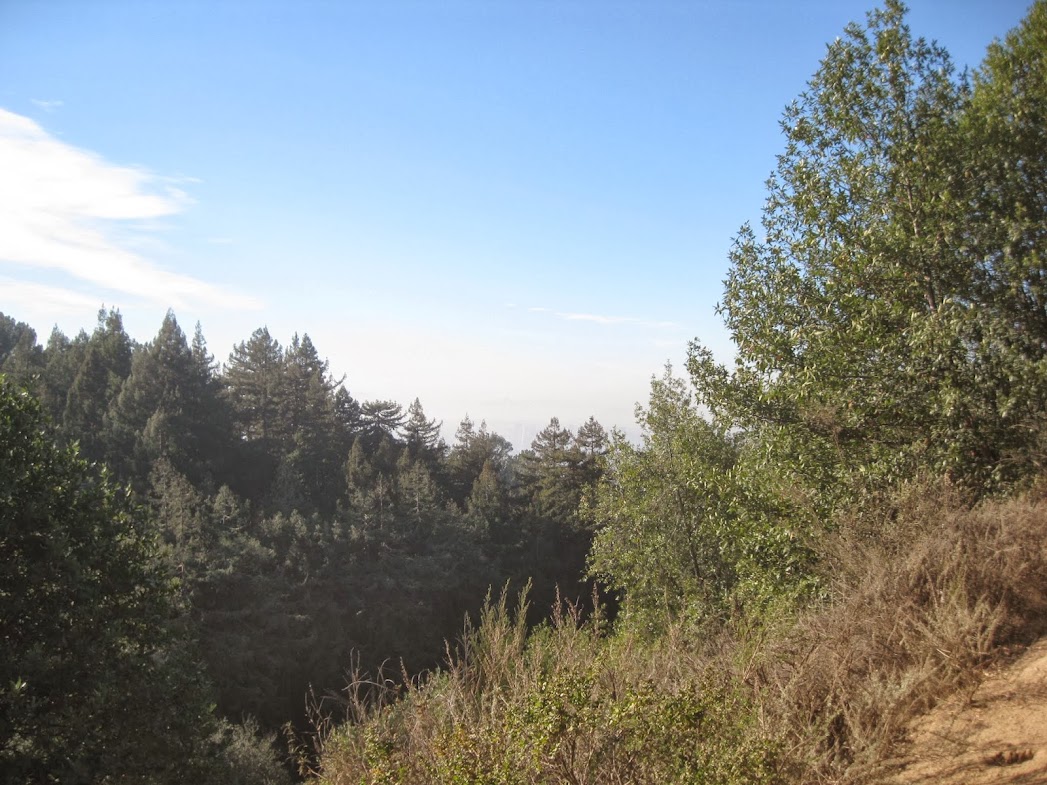
Everything seemed to be as dry as a desert twig, and a complete lack of wind and rain resulted in this thick, dense, grey blanket of smog that hovered over the Bay, preventing one from seeing SF from the East Bay hills across the bay.

On a clear day, from the spot where this photo (below) was taken in Joaquin Miller Park (Oakland), you get a stunning view of San Francisco, with downtown Oakland's skyline more in the foreground. But for much of the three weeks of our trip, this was literally all you could see.


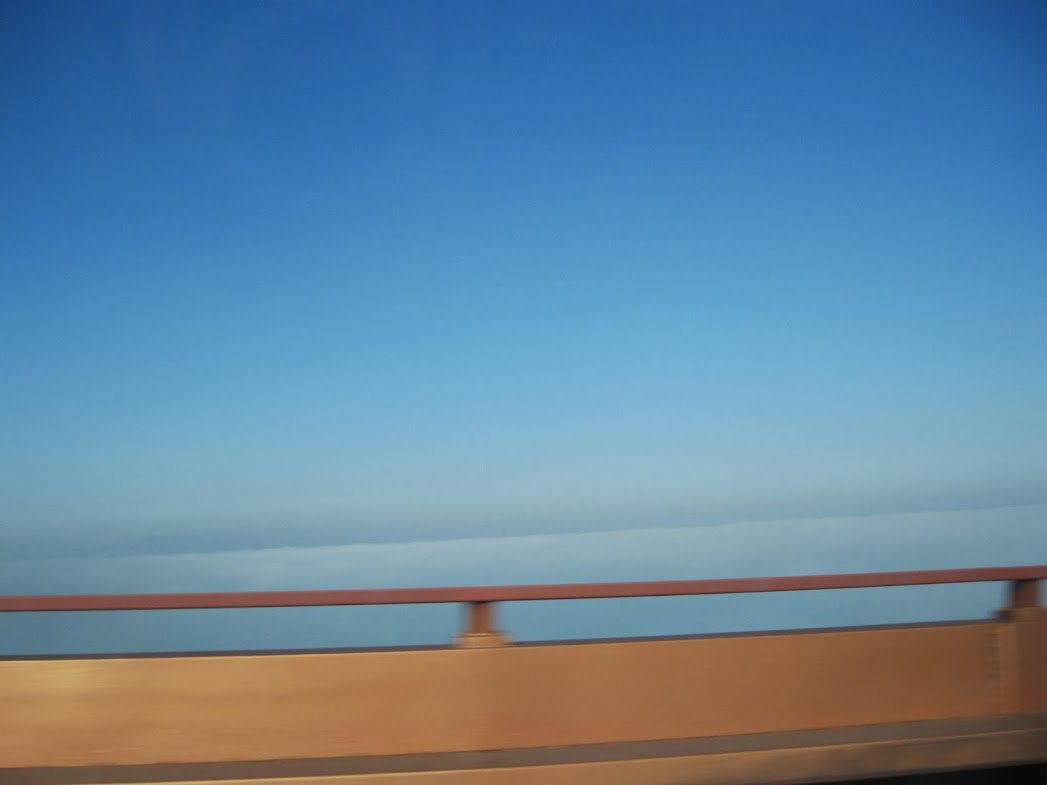
Here's a shot from the San Mateo Bridge. Normally this view affords you a clear, full view of San Francisco, but on this week you couldn't make out anything through the smog.


I know that people often joke that seasonal change in San Francisco is, well, subtle, but winter typically makes itself known much more than it did while we were there. On the upside, not having one single of day of rain during the trip certainly made things easier.

As much as we miss the Bay Area, I would occasionally recall things while we were there like the feeling of excitement when pulling into Prague or Krakow on the train, or going to the dingy, drab commie-era pub where Terezia's parents live, etc. I suppose it's natural to feel a pull between two places that you're connected to, especially when one of them was where you called home for a gazillion years. Either way, we were completely elated to be back in California.

Friday, December 13, 2013

Jon Stewart pokes fun at Slovakia... and some Slovaks aren't amused!

I'm a massive fan of the nightly shows of both Jon Stewart and Stephen Colbert. These are the only two TV shows I watch religiously, and I love their insightful, scathing, and spot-on brand of political satire.

Jon Stewart recently did a bit on his show on the latest OECD test scores, which rank how 15-year-olds in 65 countries all over the world perform in subjects like math, reading, and science. The US placed at a lowly 36th - just one spot behind Slovakia.


He then went into a bit which involved subjecting Slovakia to a bunch of vomit and fart jokes. Watch the clip here.


Of course, this piece managed to go viral in Slovakia pretty quickly, and a lot of Slovaks were pissed! Many failed to get the sarcasm and were incensed at what they saw as some bitter American hurling insults at them out of jealousy for scoring one point higher than the US. The sarcasm went over the heads of some media outlets as well, and they did their part to fan the flames. 

But the Slovaks who got their knickers in a knot over this totally misunderstood the point Stewart was trying to make. They took Stewart's jokes at face value and had a knee-jerk reaction to them. 

The point is, he wasn't actually making fun of Slovakia. He was mocking the American media's reaction to the news of any small, poorer, and lesser known (to Americans) countries that invariably seem to score higher than the US in these rankings. It could've been any country. Had it been Bulgaria, Belarus, or Bolivia that landed one spot higher than the US, he'd have said the exact same things about them. 

See, when rankings like these emerge, many media pundits convey an attitude of "Oh my god, look at how far the US has fallen - we've scored worse than [fill in the blank]!" And whatever country that happens to be is then spoken of as if it's some kind of leper colony, to underscore just how bad the US is doing. And it's exactly this kind of sensationalist and alarmist attitude that he was sarcastically mocking. 

Here's how Stewart set his bit up:

"I always feel bad for whatever country is just above America on these lists, because invariably that country is used as a standard for just how far we have fallen as a people.

He then goes into a goofy, fake voice (which means, cue sarcasm) to deliver his stream of amusingly juvenile invective. 

So obviously, Stewart didn't actually mean all of the clearly absurd and silly things he said about Slovakia.

But apparently for some in Slovakia that got lost in translation - both linguistically and culturally. 

It seems many Slovaks took Stewart's piece to be the kind of bitter, inflammatory, uber-jingoistic, and irrational rant you'd hear from your typical Fox News pundit. They saw it as big, bad, egotistical America acting like a sore loser. 

If you look at comments on the web, you'll see countless people taking deep offense to this, calling Stewart a cretin and much worse, and passionately defending Slovakia as if it were actually under some kind of serious attack. You can find some of it here in this article (and the user comments below it) on the popular Slovak site Topyky.sk.

The article's author clearly didn't seem to get it either, saying Stewart was "so disillusioned by us doing better than Americans that he began vulgarly insulting Slovaks."

Below that in the user comments there are thankfully numerous Slovaks who did get it, but far more who were offended and said some pretty appalling things. Which is sad because it means an awful lot of Slovaks failed to understand Stewart's bit, and got riled up over nothing.


Part of the problem here is that there is a bit of nuance in Stewart's delivery that could be difficult to pick up on if you're less familiar with the language and the culture. These jokes were not meant to be taken at face value; you have to peel back the layers to get to the broader point he was trying to make. 

Stewart's material frequently relies on a fairly sophisticated level of irony and sarcasm. And I think for a non-native English speaker from a totally different country and culture, it could be hard to pick up on that, hence misunderstandings like the one that unfolded over this bit. 

Moreover, the insults that Stewart used were absolutely not things you would say in the US if you were really trying to offend someone. These fart and vomit jokes were the kind of things that 6-year-old boys would say to amuse themselves or to get a rise out of their parents. If you were in a serious altercation with someone and you told that person that he eats his own vomit, he'd probably burst out laughing. Serious insults in American culture are far, far more offensive and degrading than any of the silly, juvenile things that Stewart said. Just the sheer outlandishness of his jokes made it clear that they weren't meant to be taken seriously. 

As for getting butthurt over Stewart calling Slovakia's president a cow? To that, I say - grow some skin! You should hear the utterly horrific and appalling things that buffoons in America call Obama on a daily basis.


I also doubt that very many Slovaks have ever watched the Daily Show, so right from the get-go a lot of people were unfamiliar with the context and the tone, not to mention the progressive political angle the show takes. To someone unaware of all this, Stewart in this bit might not have seemed much different from, say, Bill O'Reilly. But anyone familiar with Stewart knows that he would never actually wish ill will on any people or country, and they would also know when he's got his tongue firmly planted in his cheek. 

And while I can concede that stumbling on this piece might elicit some confusion for someone totally unfamiliar with Jon Stewart's schtick and particular brand of humor, I don't think that comedians and satirists should have to dumb down or over explain their material just because a minority of people aren't getting it. 

Finally, I think that Slovakia, being a mere two decades old, is still grappling with a sense of inferiority over its cultural identity and its standing in the world. For centuries Slovaks were either dominated by or played second fiddle to some other nation or kingdom. Even though the fledgling country finally attained autonomy and is gradually (though often clumsily) finding its way, it's still quite a modest country with rampant poverty and unemployment, and myriad other problems. Slovaks are acutely aware that life in many western European countries is generally much easier. As a result, I think there is a kind of collective insecurity or touchiness on the part of some Slovaks, and that really came out in the response to Stewart's bit. 

To sum up - Slovakia, this wasn't about you. Please, don't take it personally. If anything, just be glad that perhaps this piece will compel a few lazy Americans to get off their asses and go find Slovakia on a map and realize that it's not, in fact, Slovenia. 

Tuesday, November 19, 2013

Mushroom hunting in Slovakia

I am totally nuts about wild mushrooms. Their rich, earthy, complex flavors, so uniquely evocative of the forest floor, can be used to make explosively delicious pasta dishes as well as a killer wild mushroom pizza, and they pair well with a variety of other things. I'm especially obsessed with porcini (boletus edulis, called dubaky in Slovak), since they have the most potent flavor of all of them (except for truffles, of course), but I also go crazy for chanterelles, black trumpets (aka black chanterelles), and morels. Some of my very favorite dishes in the world involve these meaty, fleshy, potently flavorful shrooms. 

And so it's extremely fortunate that mushroom hunting happens to be a popular pastime here in Slovakia. 
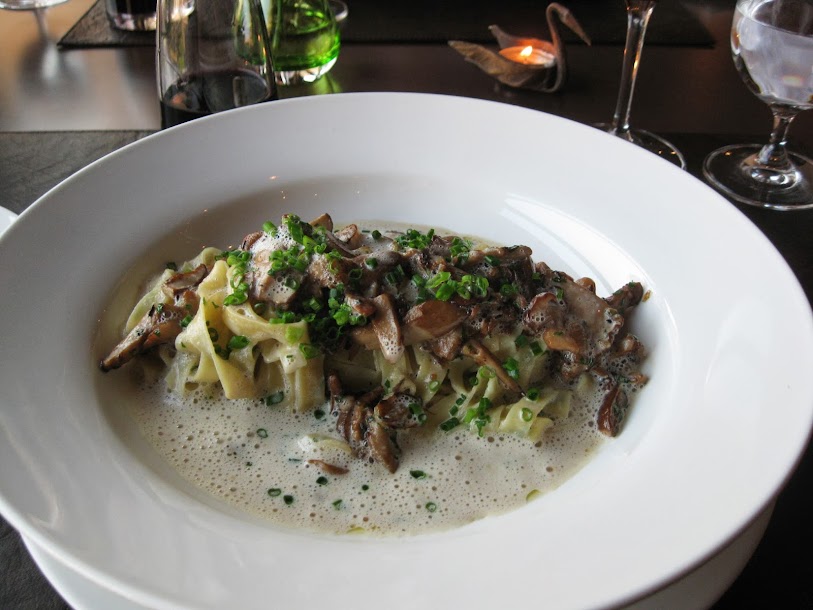

A life-altering tagliatelle with porcini at Liviano in Bratislava. 

When I first met Terezia I was ecstatic to learn that her parents and brother are seasoned mushroom hunters, and that porcini grow (sometimes in abundance) in the forests near where they live. Terezia and her brother Tony were taken mushroom hunting by their parents ever since they were little, and her parents still go hunting in the forests near their village whenever conditions are right. Tony doesn't go as often, but he has eagle-like vision when it comes to spotting the delectable funghi. Before moving to Slovakia, Terezia and I would both look forward to the big bags of dried porcini that her mom would occasionally send in the mail, which was an especially cool thing to receive in the Bay Area, where even buying dried porcini can do some damage to your wallet.

In the summer of 2011, just before we moved here, Tony struck wild mushroom gold one day deep in one of the forests near his parents' place and literally filled up every sack he had with porcini. He even had to take off his shirt and fashion it into a bag because he kept finding so many. Hearing about this made me salivate, because in the US (and elsewhere in Europe) porcini are an expensive delicacy - often anywhere from $8 to as much as $30 a pound, depending on the type, condition, size, etc. Ditto chanterelles and especially morels. This meant that we would usually make our favorite wild mushroom-based dishes only on special occasions.
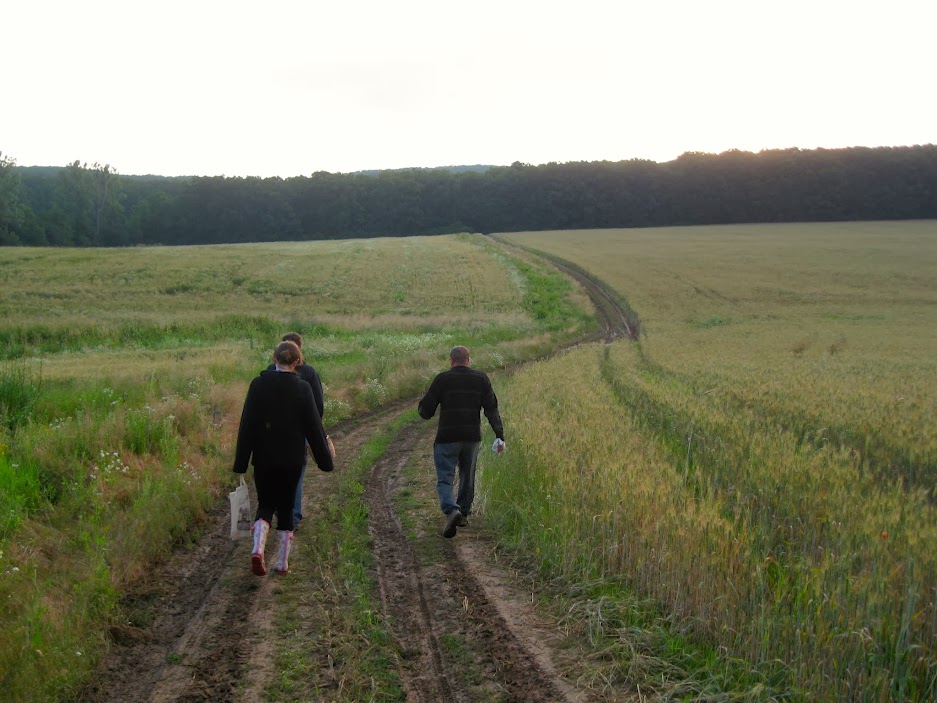
Heading off to the forest at the crack of dawn to find some mushrooms

Sadly, it's just my luck that since we've been in Slovakia, this year's and last year's mushroom seasons haven't been so great, and porcini have been pretty scarce in the areas where they usually appear. Experts say that this has been due to heavier than usual rain (in spring and summer) followed by worse than usual heat waves. Last spring's long winter, when the snow kept coming down until mid-to-late April, didn't help either. Wild mushrooms require the perfect balance of dampness and heat. For example, in summer, they thrive when you have some warm days followed by a good rain. But when that balance is thrown off due to excessive rain or heat, they just don't grow. So, while there have still been a decent number of wild mushrooms to be found, porcini haven't been found in their usual quantities.


Some of the varieties that grow here

Pretty much all the mushrooms that I'm accustomed to feasting on in California grow in Slovakia. In addition to porcini, you've got a few varieties of chanterelles (called kuriatka in Slovak), as well as black trumpets (lievik trúbkovitý in Slovak) and even morels (smrčky in Slovak).
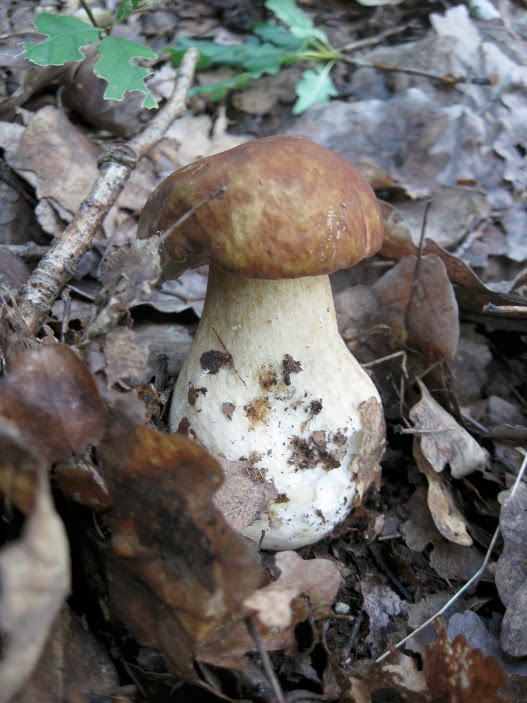
A porcino/dubak that Terezia found back in the summer

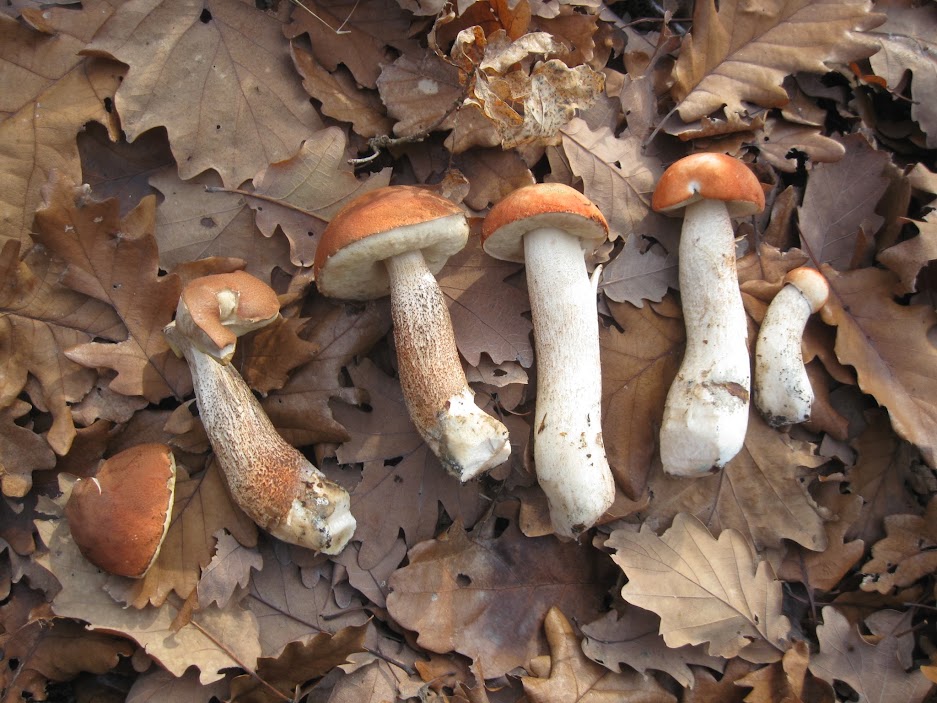
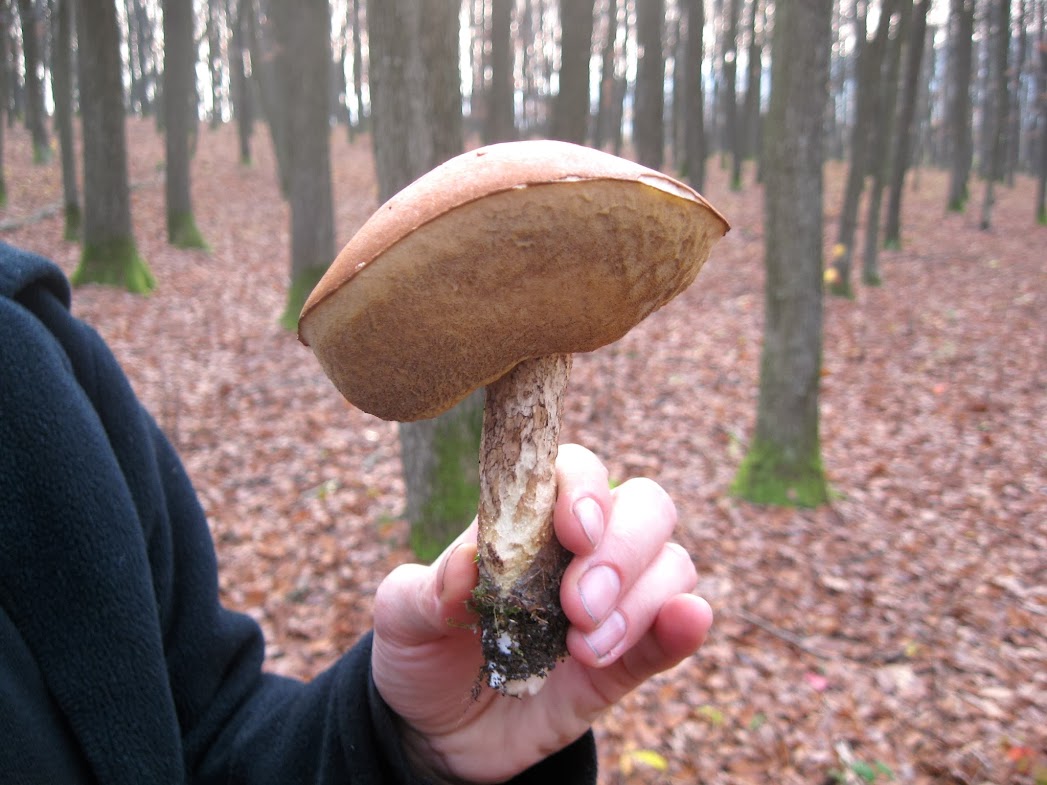
But you've also got a slew of other porcini-related varieties, some of which I've never seen in the US, and most of which seem to be pretty good. They get a lot of what they call suchohriby, which are a cousin of porcini - part of the boletus family (boletus badius, I think?). They are typically smaller than porcini and they aren't as rich and flavorful, but still good. Despite their fleshy appearance, they're more delicate and you've got to sauté them fast or else they get soggy quickly. Like porcini, they have a round, brown cap and a kind of spongy, porous underside (as opposed to gills), although the underside has an almost radioactive green/yellow hue, which probably doesn't look so appetizing to the uninitiated. Their stalks generally seem to be more slender than those of regular porcini.
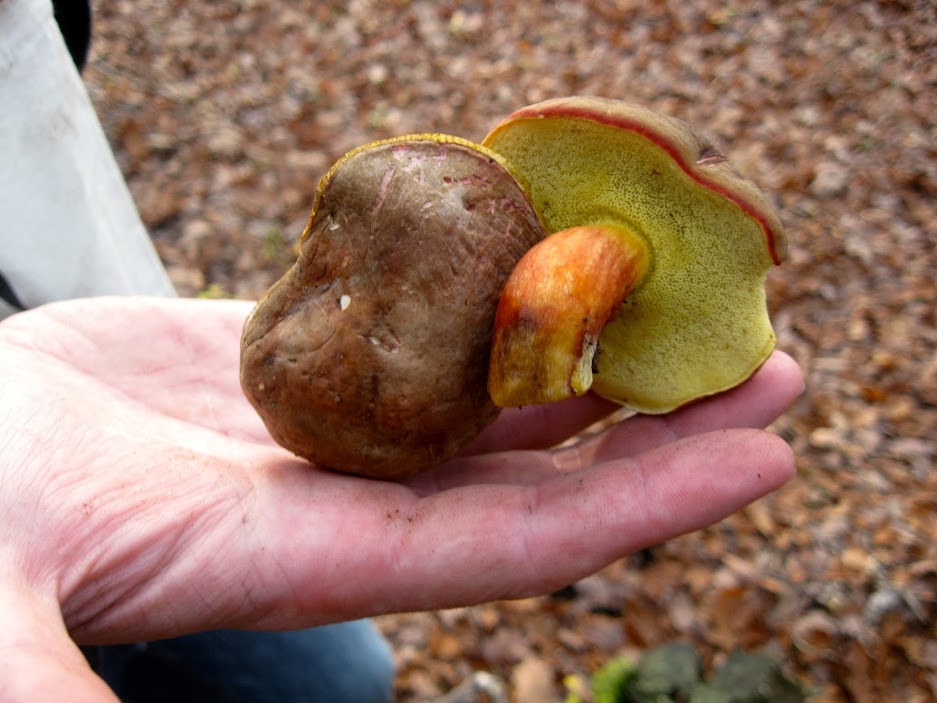
Suchohriby

They've also got kozaky, which are another member of the porcini family (boletus amygdalinus, I thinkand more flavorful than suchohriby, but also more elusive. These have kind of a wider and more disk-shaped cap than typical porcini/dubaky when fully grown, but with a similar brown color on top and the same spongy, porous underside. They also tend to have slimmer stalks, like suchohriby. Their insides darken when sliced, and when you dry them the slices turn a blackish grey.
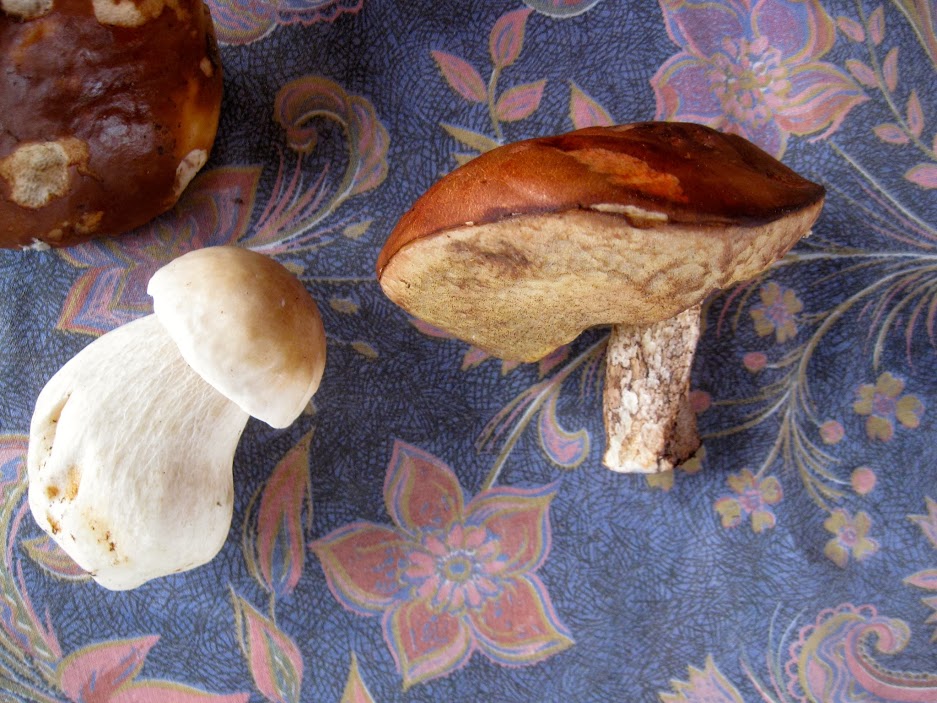
A good-sized kozak (right) next to a young porcino/dubak (both found by me!)
Some smaller kozaky


Mushroom hunting

As I mentioned above, mushroom hunting is quite popular in Slovakia, especially among pensioners and Roma, when you get out into the country to the forests and mountains. In the village where Terezia's parents live, word of new porcini sprouting up spreads fast, and the pensioners hit the nearby forests like flies on shitakes to gather up whatever they can find. It's not uncommon when combing the forest to stumble on a pile of discarded mushroom stalks next to an empty can of beer or bottle of homemade gut rot, which obviously means someone's beaten you to it. Of course, mushroom hunters are always a bit secretive since they don't want to reveal their favorite spots, but people are usually willing to tell you the general vicinity (like, the forest behind such and such village, or by such and such lake, etc.); but from there, you're on your own. Either way, you've got to get out there pronto before they're all snatched up.

And you're not just competing with pensioners who have oodles of free time on their hands, and Roma, who typically go out in groups to collect them to sell at farmer's markets. You've also got wild boar rooting around the forest floors in search of these things, as well as a variety of worms, insects, and slugs.
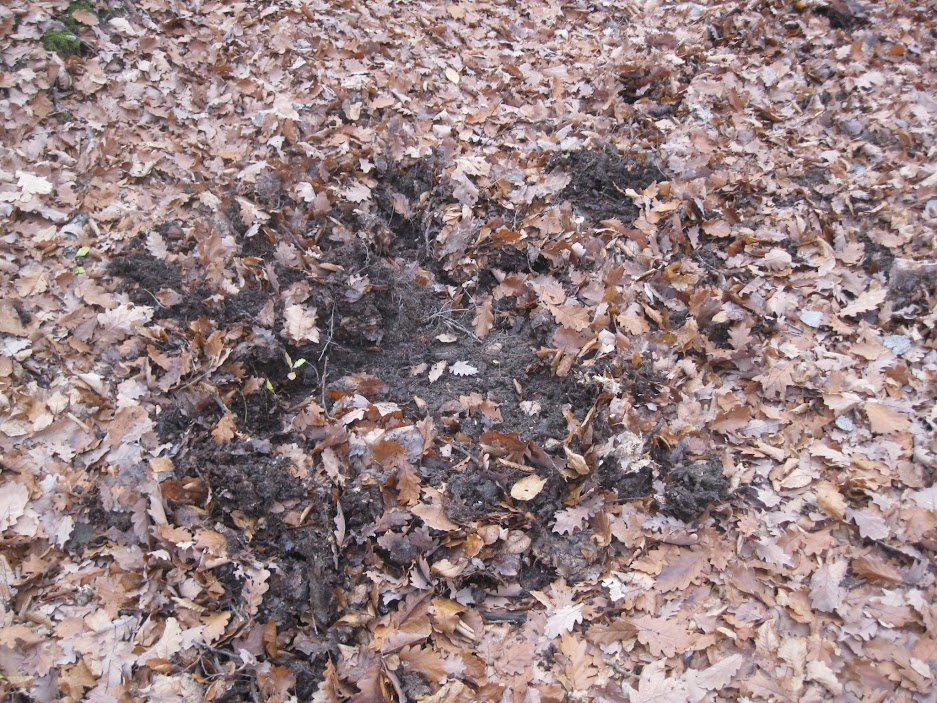
Signs that a wild board has been rooting around for the same mushrooms you're trying to find


I first went mushroom hunting with Tony back in early July 2012, and that time we found zilch. Hugely discouraging. We didn't go again for about a year, but we actually found something that time, albeit not a whole lot: mostly some chanterelles and a bunch of suchohriby, and Terezia actually found a small porcino - her very first! All told, at least it was enough to make a tasty wild mushroom pasta.
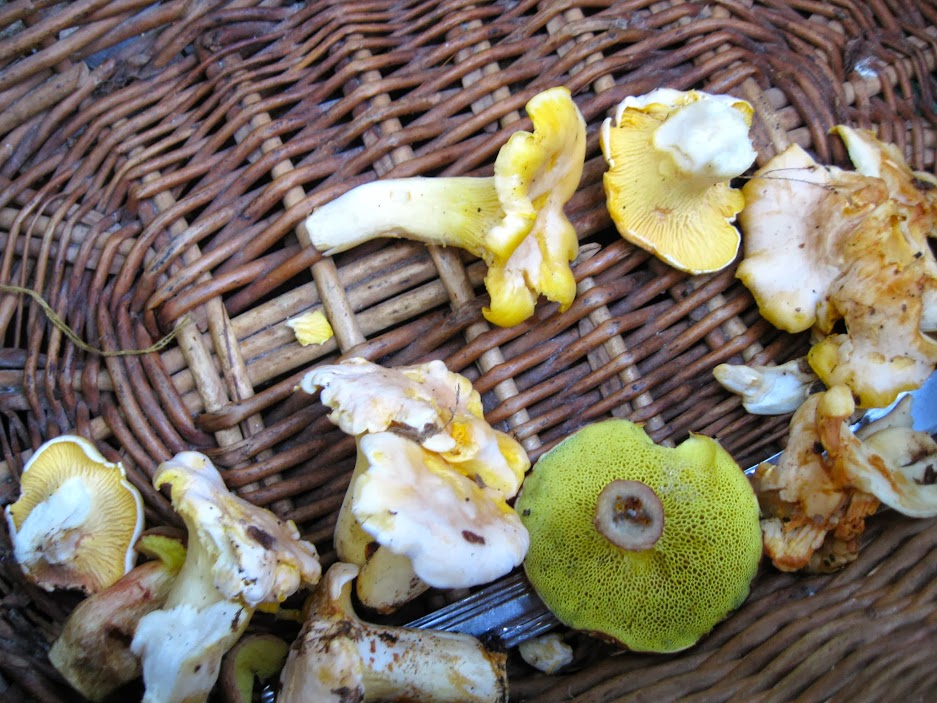
Scant but still nice findings from an earlier hunting excursion in June 2013: a bunch of chanterelles and a few suchohriby.

Tony and I tried again in early October, but this time we only found a bunch of betle, which Terezia thinks are related to portabello mushrooms, and a handful of suchohriby. Betle aren't super desirable, but if you sauté them in some butter and just eat them plain with a pinch of salt they have a mild but pleasantly eggy kind of flavor, and a texture not unlike portabellos. On this particular excursion we saw a group of three people with sackfuls of these things. Apparently, if you dig betle, you're in luck, as they seem to be pretty common in early autumn.
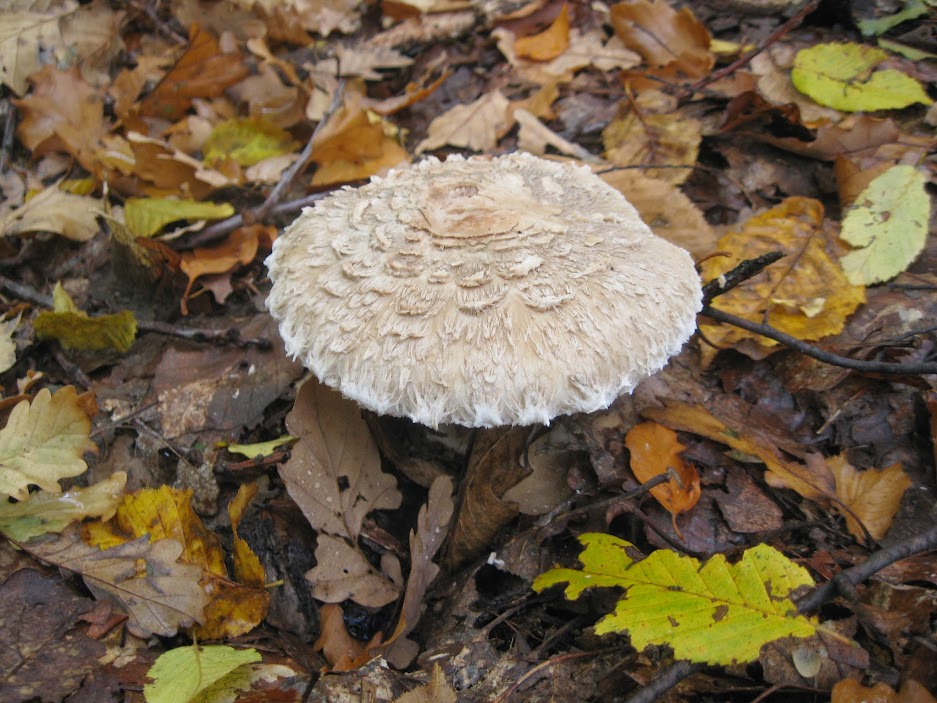
A betla, which could be related to the the portabello. Not too exciting, but worth picking up if you see 'em.
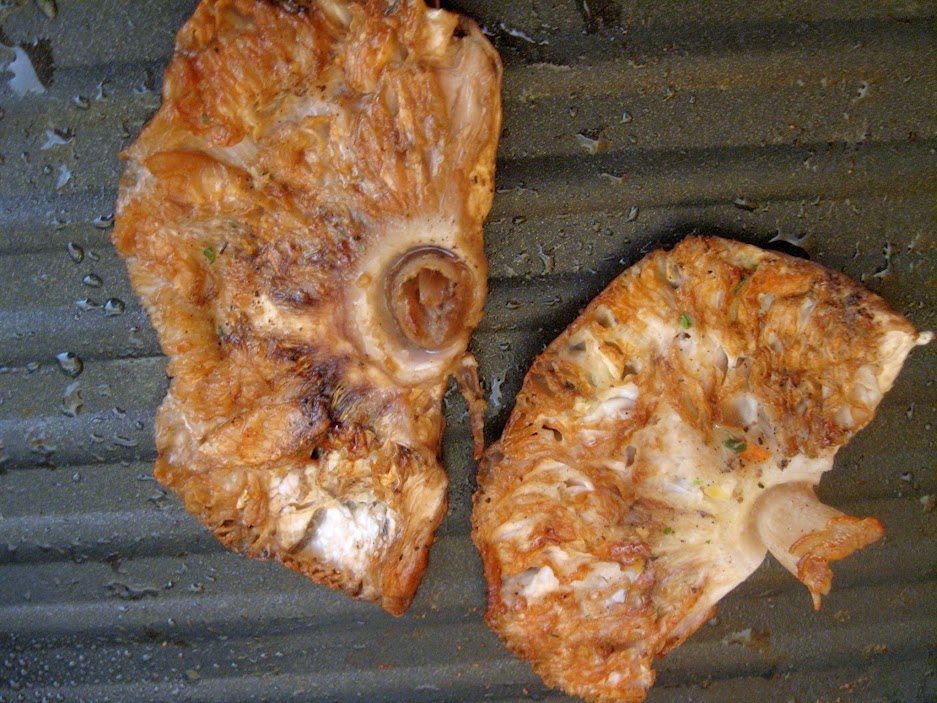
Cooking up some betle.


Porcini found!

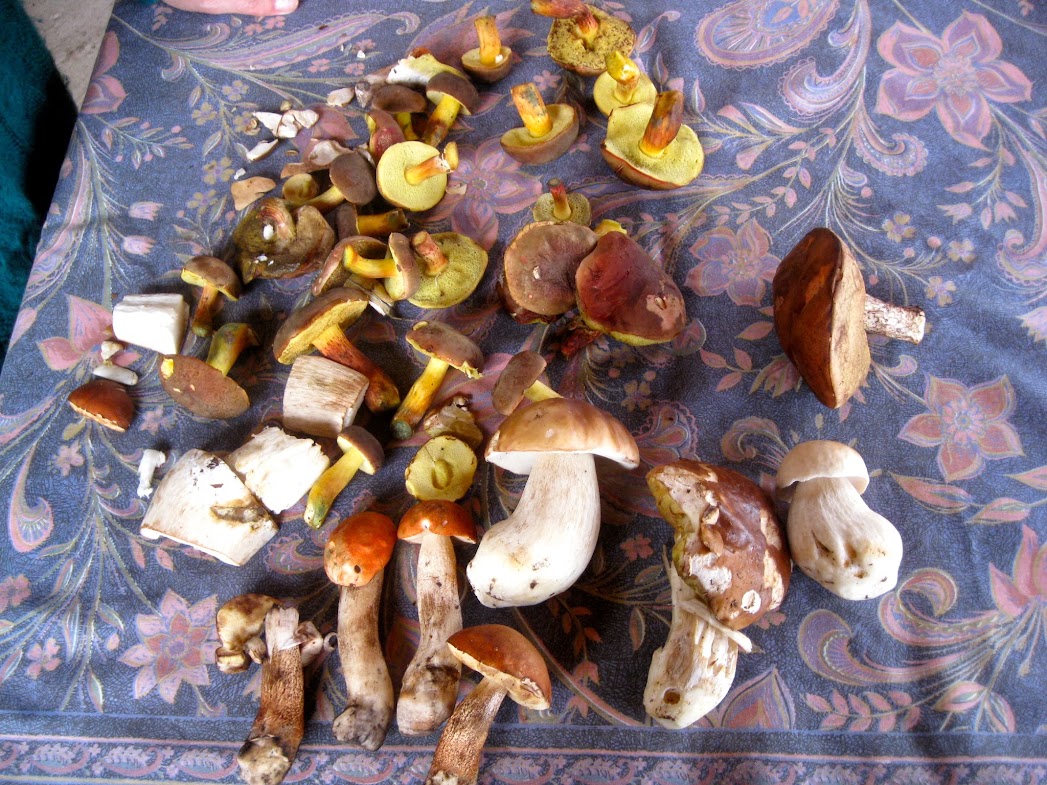
We went again in mid November and this time we finally brought home some bounty worth writing about, including two porcini. Tony found a lovely big one, and I unearthed a beautiful and healthy smaller one whose cap hadn't really turned brown yet. Finding even a few porcini can suddenly boost your optimism, so we kept searching. In addition to a decent pile of suchohriby, I nabbed a nice, good-sized kozak, and Tony found about five or so small ones.

Tony found this lovely porcino.
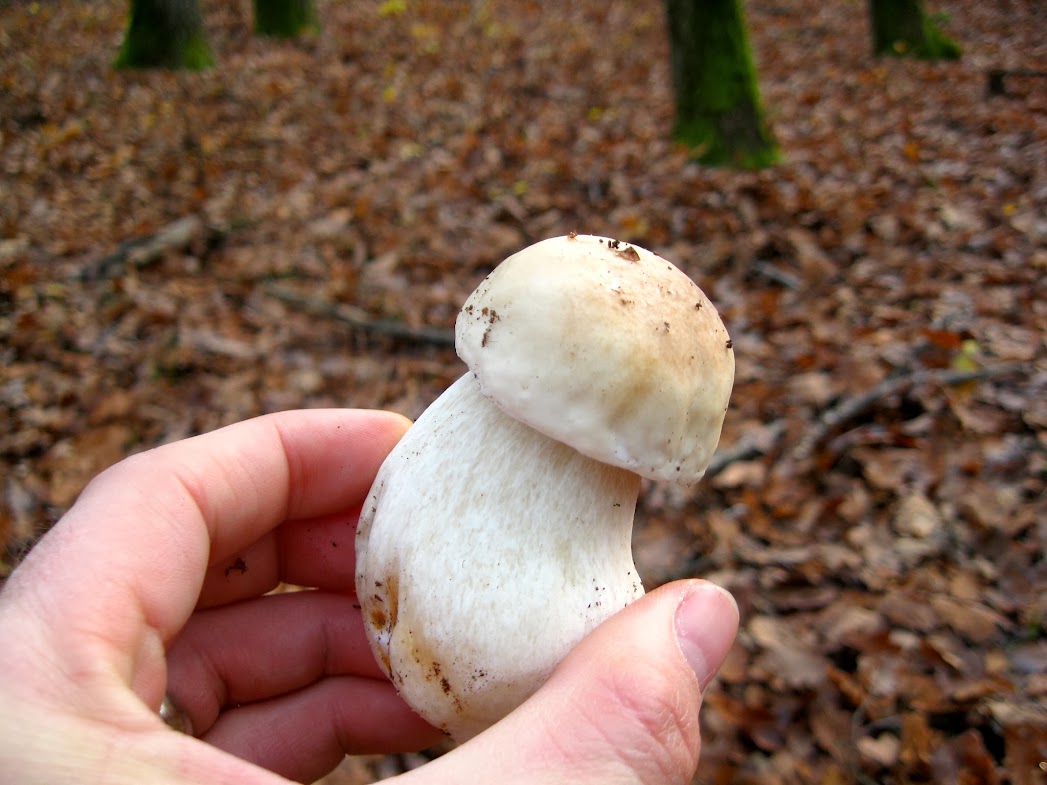
My first porcino/dubak!
I found this nice kozak growing by the base of a tree.
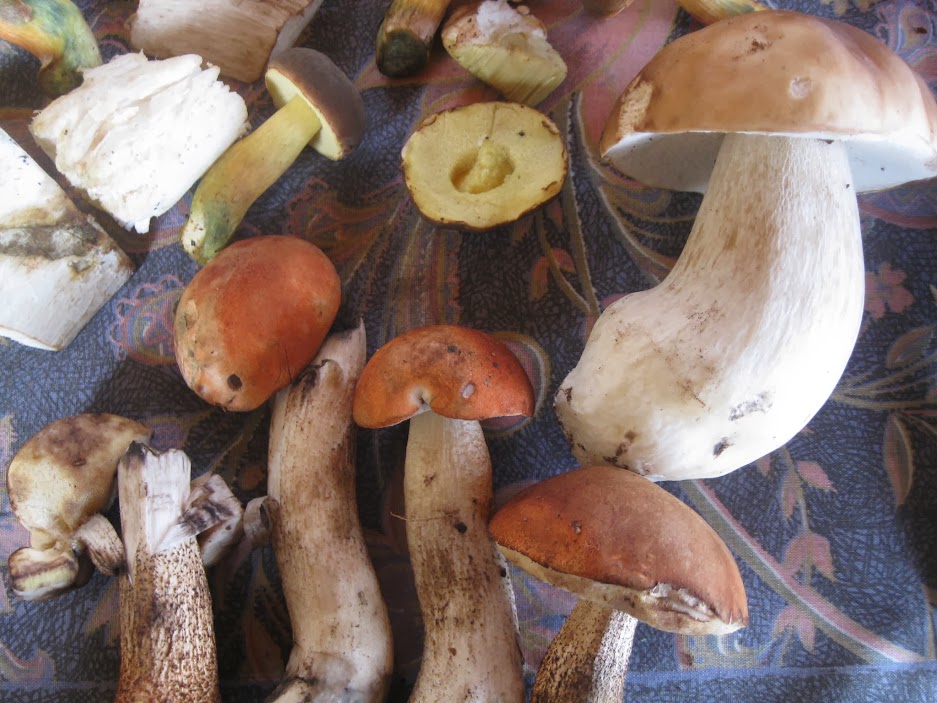
The goods

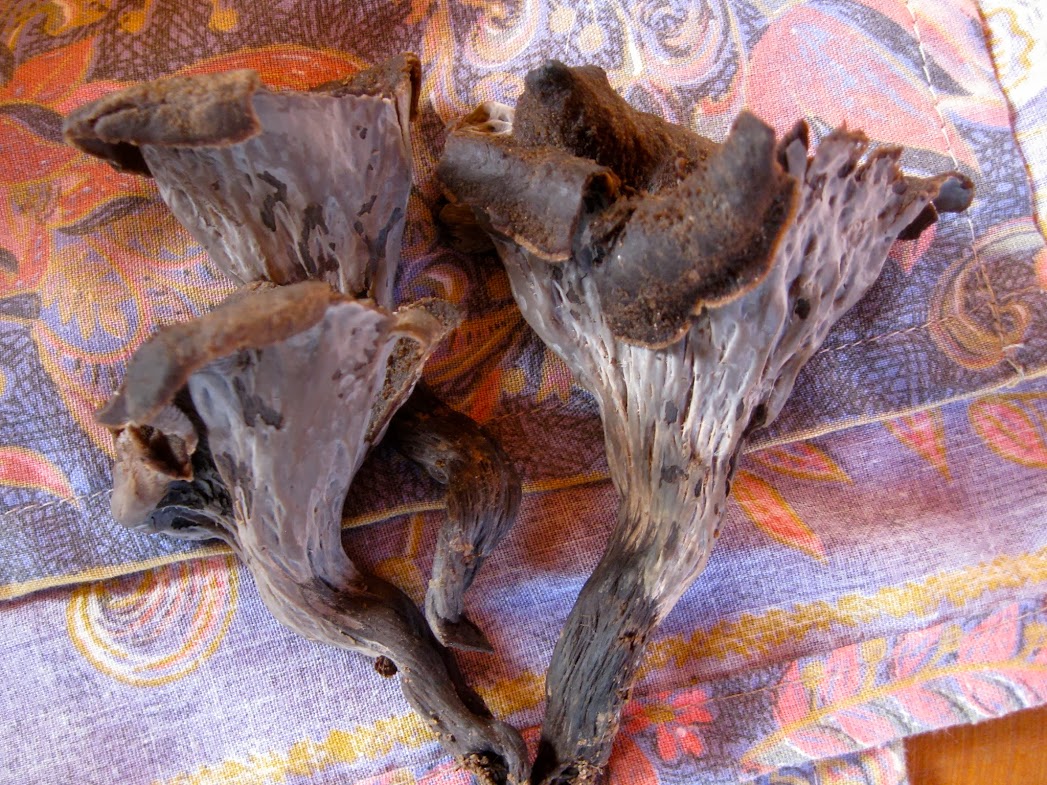
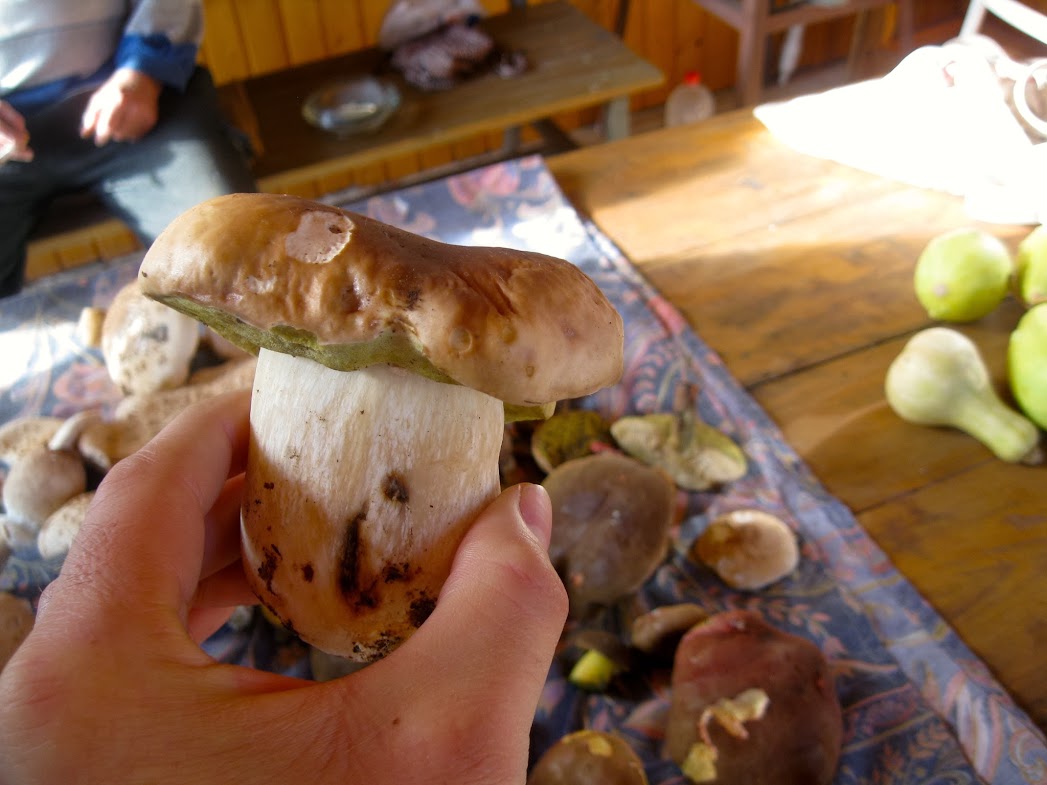
Tony and I went back to the same spot early the next morning for another look. I lucked out and found yet another porcino, this time a bigger, beautifully plump one, while we both found a ton of suchohriby. We then went to another forest up the road where we found more suchohriby, a few betle, and most surprising of all, I stumbled on a batch of four or five black trumpets. Terezia's family doesn't hunt for black trumpets (which is seriously weird because they're really a delicacy, but whatever), yet according to Tony's exhaustive Slovak mushroom encyclopedia, they are definitely findable in this region.
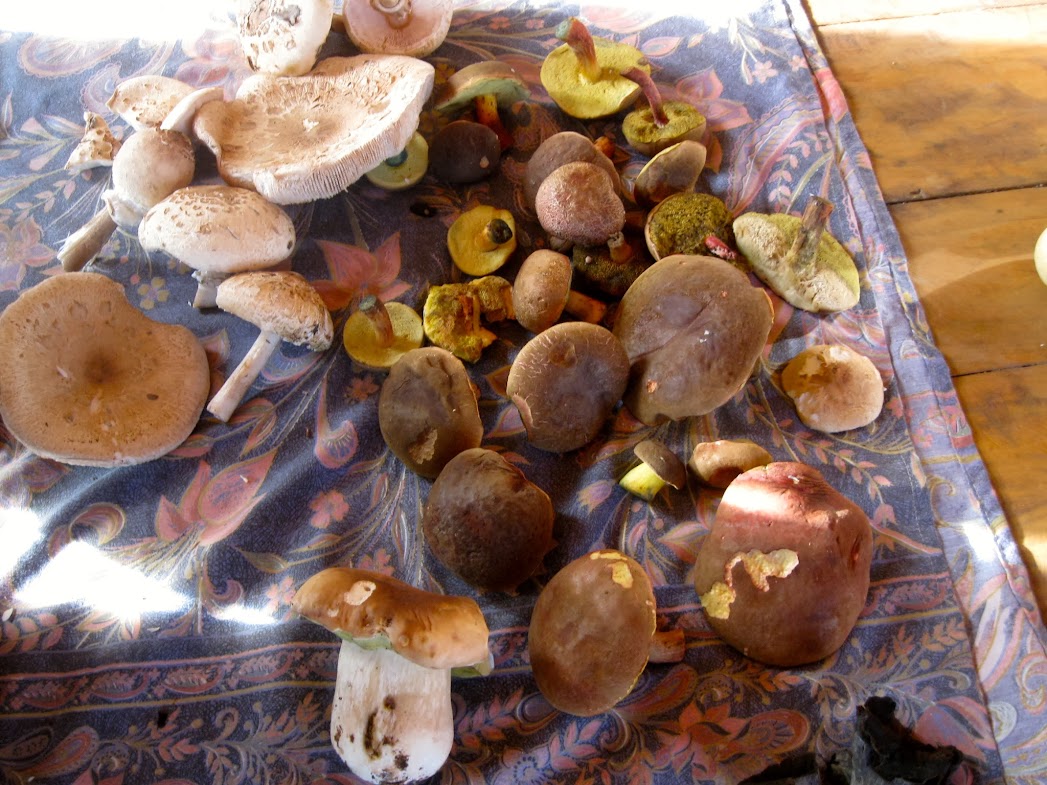
The next morning's find: You've got some betle in the upper left corner, a bunch of suchohriby on the right and center, and a porcino that I found at the bottom, center.
Super delicious black trumpets, aka black chanterelles
This nice, plump porcino/dubak was discovered and dislodged from the soil by yours truly.


Black trumpets are easy to identify and quite flavorful - they're related to chanterelles, but have an earthier and stronger taste. Strangely, I have never seen black trumpets sold in the markets in Slovakia, but if you go to Vienna you can find piles of them being sold for a high price at Naschmarkt, and back home I used to find them in Berkeley selling for $10 or more a pound. So, I was jumping up and down at the site of these. I really wish I'd found more.


Hunting observations/tips from a total novice

Hunting for mushrooms isn't all that easy. They blend in with their surroundings and when you first scan a leaf-covered forest floor, the prospect of finding any can seem totally daunting. But your eyes eventually adjust, and if you've stumbled into a good area, they suddenly start appearing, seemingly popping up right as you're about to step over them.
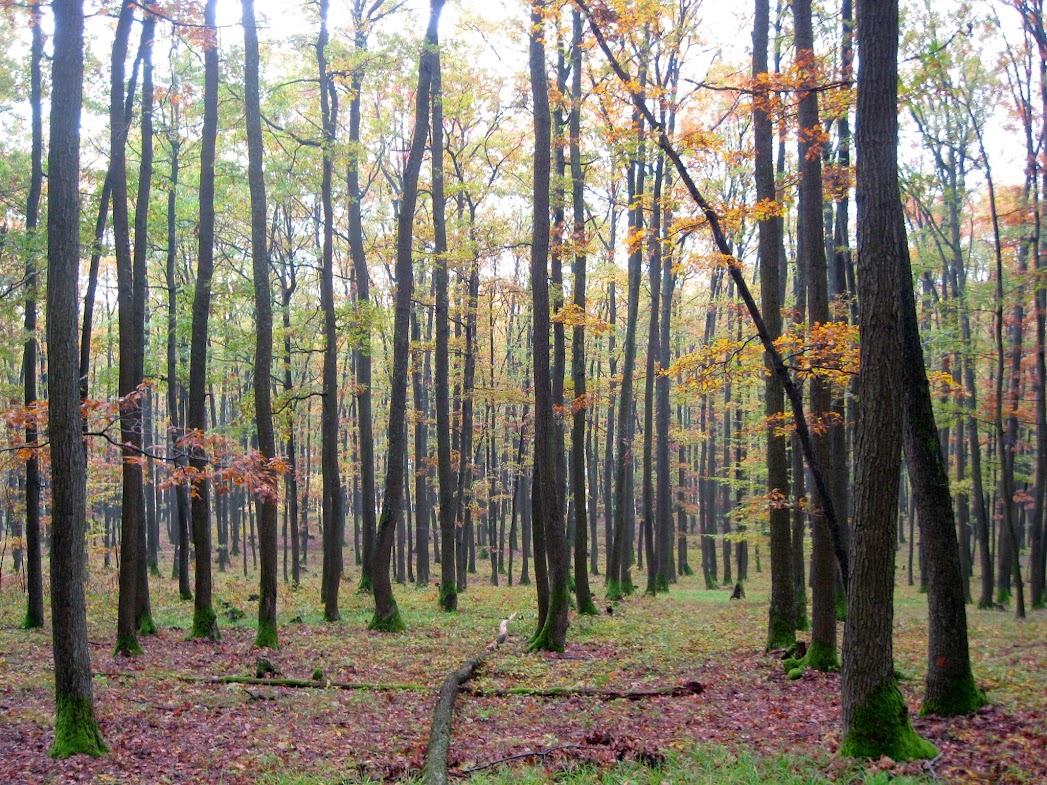
Finding mushrooms amid all the leaves and other debris on the forest floor is no easy feat.


A good rule of thumb is that if you hit an area with a lot of poisonous or undesirable mushrooms, which you will generally see in abundance if any are growing at all, you're more likely to find some good ones because most mushrooms seem to thrive in similar conditions. So, when you see a patch of bad ones, it can pay off to do a closer scan of the surrounding area. Of course, if you're not seeing anything, don't waste your time - it's probably a good idea to move on to another area.

But as far as locating the good ones, to the layman there seems to be little rhyme or reason as to where they grow. They seem to be just as likely to grow near trees as away from them; and just as likely to grow near a decomposing log as on a random spot on the ground not close to anything else. One thing to remember, however, is that if you find one, it should typically have what Tony calls a "friend" nearby, so it's good to look around for some more within a radius of a few feet or so.

Another thing to look out for are little white slices or shavings of porcini stalks on the ground. When a hunter has plucked one, he or she will take a knife and shave/slice off the outer layer of the base of the stalk, basically removing the dirty part. If you notice a little pile of these shavings, it's worth having a look around to see if you can find any porcini that the last person might have missed. That's actually how Tony found his porcino on this most recent trip.

I've also noticed that we see far fewer mushrooms on hillsides that face south and get more direct sunlight and heat throughout the day and therefore are drier, whereas we seem to find more on hills facing other directions that aren't exposed to as much (or any) direct sunlight. I don't know if this is a rule of thumb for any mushroom-rich region, but it seemed to be the case here, and it makes sense if mushrooms need more dampness to thrive.


Poisonous mushrooms

Finally, to answer the question that I'm sure is on everyone's mind: Isn't mushroom hunting dangerous? Can't the wrong one send you straight to a sudden and painful death? How do you distinguish the good ones from the poisonous/inedible ones?

Fortunately, Terezia's family has more than enough experience to be able to make that distinction easily (at least in their region), and I probably wouldn't go hunting for mushrooms without them. But at least in the forests near their village the good mushrooms look nothing like any of the poisonous or undesirable ones, and if you know exactly how the good ones look, it's not a problem. You need to know what you're looking for, and you need to go with someone who can identify them if you're not certain.

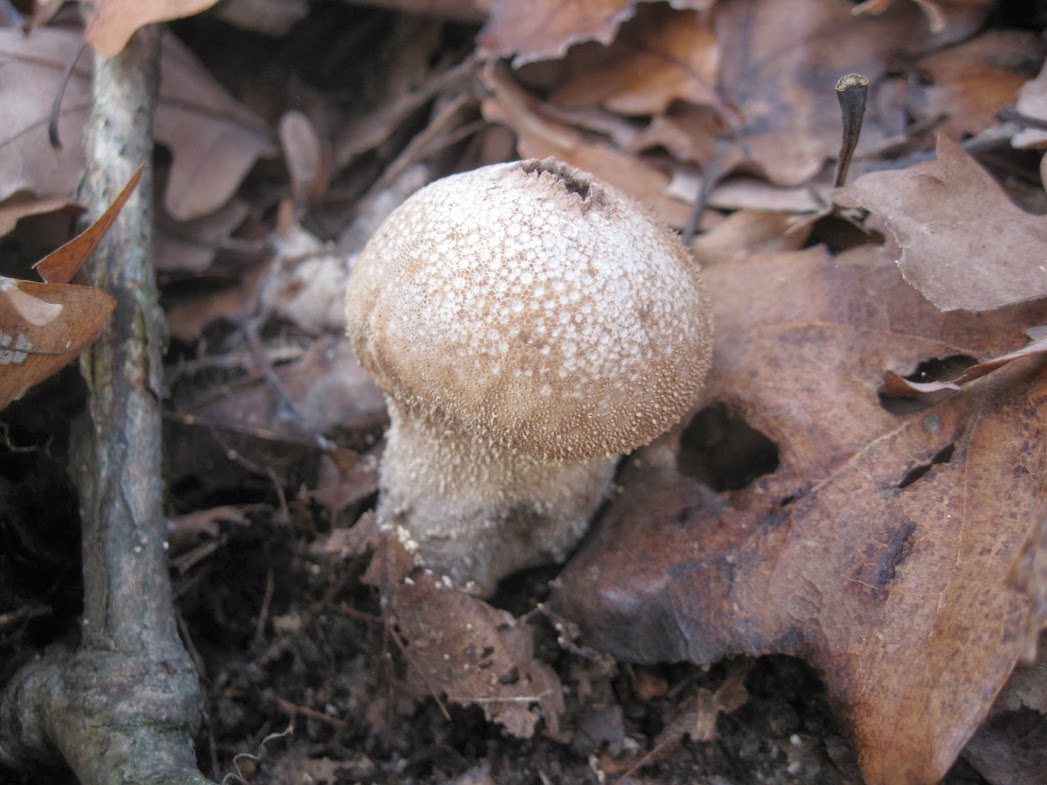
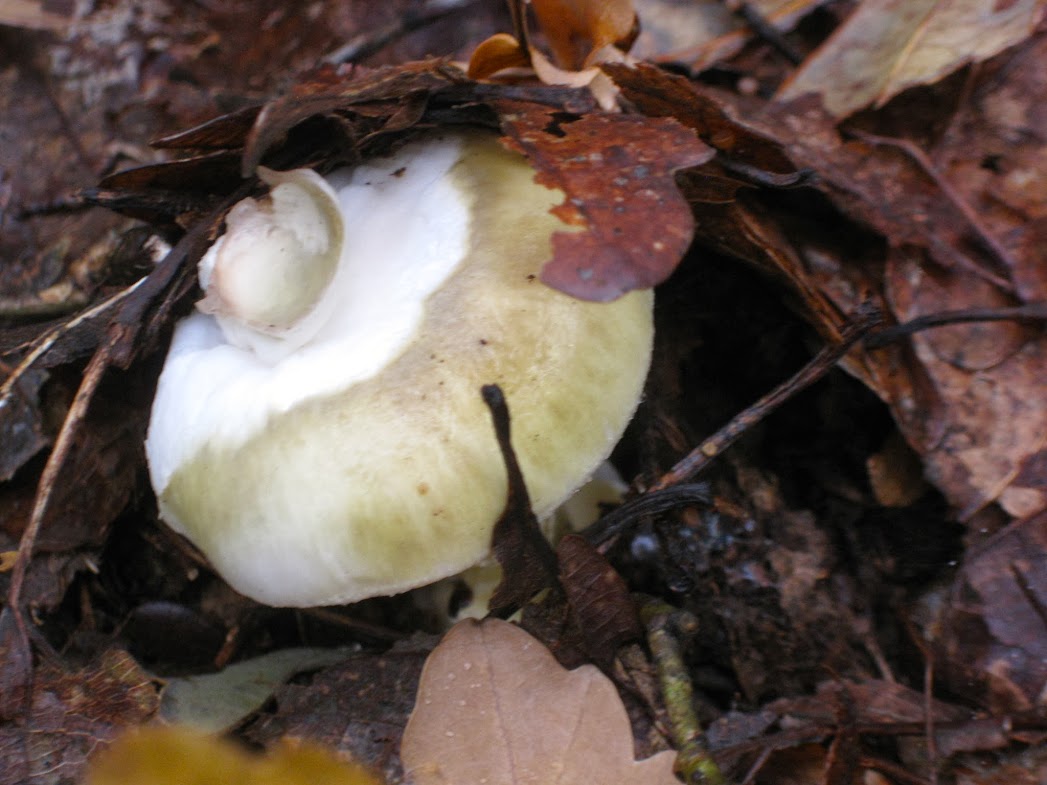
The super colorful mushrooms with candy-apple red or super shiny orange creme brûlée caps may look cool, but they are typically extremely poisonous. You can also find a lot of these cute little bulb shaped mushrooms with a hole at the top in the center, from which a cloud of mushroom spore dust is released if you pinch them or poke them with a stick, like some kind of noxious alien plant out of an episode of Star Trek. These are said to be inedible when fully grown, but apparently you can eat them when they're small/young (but how you determine when one has gone past its prime, I've no idea). And there are a slew of others, some of which have exotic colors or patterns, others which look more pedestrian, and still others which are slimy and gross, and look nothing like anything that you would encounter at your local farmer's market, much less something you'd want to put in your piehole.

A good example of a poisonous mushroom, which you should never, ever eat
This one releases a fine cloud of spores through its hole at the top when squeezed or poked. You can apparently eat these when they're young, but not when they're fully mature.
I don't know if this one is poisonous or just gross, but I saw a lot of these in early autumn.

I'm told that you do have to be careful when collecting betle. If they have a ring around the stalk, they're safe. But there is a mushroom that apparently looks similar to them which lacks the ring, and you want to avoid those. The rings are clearly visible, though, but if you can't tell, just leave it.

Tony has an awesome wild mushroom encyclopedia for Slovakia with good, color photographs and descriptions of every type of mushroom you can find here, including a rating of how good the edible ones taste (with porcini classified as a delicacy, for example). I wouldn't even think of attempting to forage for mushrooms without some kind of guide like this.


The resultant wild mushroom pasta and scrambled eggs

Terezia made an awesome wild mushroom pasta with the funghi we found - a seriously flavor-packed dish. When cooking wild mushrooms, it's good to use a generous helping of herbs, like parsley, thyme, and rosemary, as they really help make the flavor pop. The next night we used the rest of our mushrooms to make scrambled eggs, a wildly delicious but surprisingly simple dish, which really highlights their earthy flavor, especially when seasoned with a bit of thyme (and sautéed with some leeks).
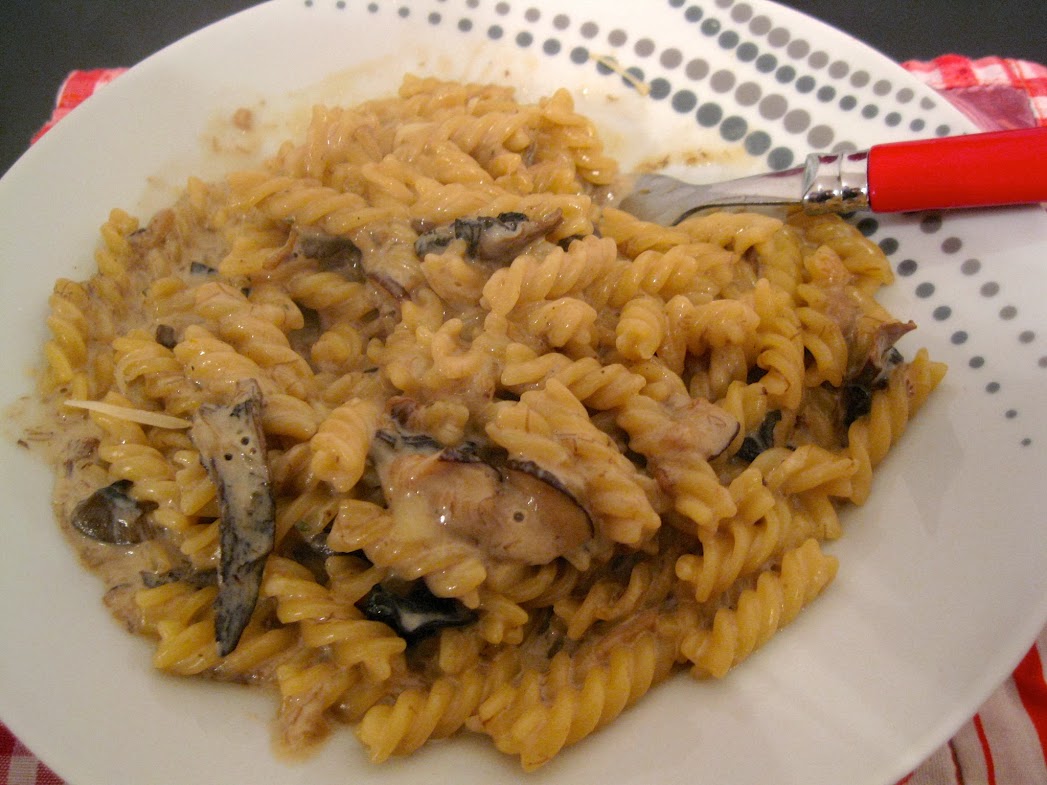
This is a super flavorful and delicious wild mushroom pasta made using the mushrooms we found.

One of my favorite things to make/eat is wild mushroom lasagna. You need a lot of those suckers to fill a lasagna, but if you have porcini and black trumpets (regular chanterelles work too) and you make it with a béchamel, the result is a rich, life-altering, flavor-packed lasagna.

A lot of people (Terezia's family included) set aside a portion of their mushrooms for drying. It's common to cook with the nicest ones when they're fresh, and dry the ones that aren't as in good shape. This is a great way to make use of a ratty looking porcini that's full of worm holes, bite marks and bruises; just cut off any unsalvageable bits and slice up the rest for drying. But drying is also necessary when you've simply found too many to consume right away. I honestly find dried porcini to be as good as fresh porcini. The drying process really seems to concentrate the flavor, and when you rehydrate the dried pieces in hot water, that water can be strained (to remove the grit) and used for an intensely flavorful mushroom stock, which can then be used to enhance pasta sauces and whatnot. Terezia's mom gives us dried porcini when she has them, and she has big jars of them in her kitchen which she cooks with when she's in the mood.

(Some people in Terezia's family like to pickle porcini, but I think that should be considered a crime against humanity. It totally kills their unique, intense flavor - a complete waste of good porcini, if you ask me).


Much like with pig slaughterings and vegetable gardens, mushroom hunting is another example of how Slovaks in the countryside demonstrate a close connection with the land and an ability to be self-sustaining, which I always find truly admirable. I hope this tradition doesn't die out, but if it does, I suppose that means more porcini for us.

At any rate, I plan on going mushroom hunting whenever I can while I'm still here. Hopefully next year's porcini season will be better.